
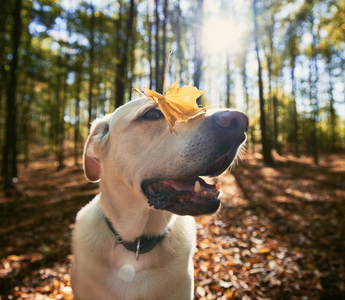
As the weather starts to cool and fall arrives, most people think about cozy evenings and changing leaves. But for dogs, this season can also bring something uncomfortable: allergies.
Dogs, much like humans, can be affected by environmental changes. In fact, fall is one of the most frequent periods when allergies appear. Allergies could start quite mild, like increased scratching or unexplained mood swings.
What fall allergies look like in dogs
It does not always show up in an obvious way at first. Many dogs start scratching more, especially around their paws, belly, or ears. Some may develop red or irritated skin, while others shake their heads a lot if their ears are bothering them.
You might also notice watery eyes or general discomfort. Unlike humans, dogs usually do not show strong sneezing or coughing with seasonal allergies, so skin issues tend to be the biggest sign.
Why fall triggers allergies
There are a few common causes during this time of year. Ragweed pollen is one of the biggest triggers and spreads easily through the air. Mold is another issue, especially when fallen leaves start breaking down in damp areas.
Even inside the home, things can change. When heaters are turned on for the first time, dust and dust mites can get stirred up. Fleas can also still be active depending on the climate, which can add to the problem.
It is not always allergies
The tricky part is that allergy symptoms often look like other issues. Itchy skin could also be caused by fleas or food sensitivities. Red eyes might point to an infection. Ear irritation can have several different causes, too.
Because of this overlap, it is always a good idea to get a vet’s opinion instead of assuming it is seasonal allergies.
How vets usually handle it
A vet will typically start with a physical exam and may run a few tests, like skin checks or ear swabs, to rule out other problems.
If allergies are confirmed, treatment depends on how severe the symptoms are. Mild cases may improve with antihistamines or medicated shampoos. More serious cases might need prescription medication or allergy shots.
What you can do at home
There are also some basic steps that you can take in order to alleviate your dog's condition. Wiping off your dog's paws and coat following walks will ensure that no pollen is transported into the house, while washing your dog regularly with some mild shampoo will minimize irritation.
Also, keep your pet's bedding clean, and if possible, vacuum your home more frequently.
Providing your dog with a nutritious diet and sufficient amounts of water will help boost its immune system.