Bile Acid Imbalance in Dogs - Signs, Causes, and What Helps
If your dog's bloodwork shows abnormal bile acids, it can leave you with more questions than answers. You may wonder whether your dog has liver disease, why the result is high, or whether ongoing diarrhea and digestive problems are connected.
The term bile acid imbalance in dogs can sound like a diagnosis, but it is not one specific disease. Bile acids play an important role in digestion and can also give veterinarians useful information about liver function and portal circulation.
The most important step is understanding why the bile acids are abnormal. Your veterinarian can then determine the appropriate care and whether nutritional support may have a place in your dog's wellness routine.
RX Vitamins has provided veterinary-focused nutritional formulations since 1998. Its products are designed to support normal body functions in dogs and cats and complement responsible veterinary care.
What Are Bile Acids in Dogs?
Bile acids are produced by the liver and released into the digestive tract through bile. They help dogs digest and absorb dietary fats. Most bile acids are then reabsorbed by the intestine and returned to the liver through enterohepatic circulation.
The process starts in the liver. The liver produces bile acids and sends them into bile, while the gallbladder stores bile until it is needed after a meal. Bile then enters the small intestine, where bile acids help process dietary fats and support normal fat absorption. Most bile acids are later reabsorbed and returned to the liver.
This recycling process helps maintain normal bile acid function throughout the digestive system. When liver function, bile flow, portal circulation, or intestinal absorption changes, this process can also be affected.
What Do Bile Acids Do?
Bile acids help the body process dietary fats and support the absorption of fat-soluble nutrients. They also have an important diagnostic role. Veterinarians can measure serum bile acids in dogs when evaluating liver function and portal blood flow.
This makes bile acids relevant to both digestive health and veterinary diagnostics. Understanding their role also makes it easier to understand why your veterinarian may recommend a bile acid test for dogs.
How Does the Body Recycle Bile Acids?
Bile acids move from the liver into the digestive tract and then return through the portal circulation. This continuous recycling process is called enterohepatic circulation.
Most bile acids are recovered and reused rather than eliminated after every meal. Problems affecting the liver, bile flow, portal circulation, or intestinal absorption can interfere with this normal cycle.
What Does “Bile Acid Imbalance” Mean in Dogs?
Bile acid imbalance is a broad term rather than a specific veterinary diagnosis. It may refer to elevated serum bile acids found through blood testing or abnormal intestinal bile acid handling. These situations have different causes and should not automatically be treated as the same condition.
This distinction matters when researching bile acid problems in dogs. A dog with high serum bile acids may have an issue involving liver function, bile flow, or portal circulation, while a dog with bile acid malabsorption may have altered bile acid handling within the digestive tract.
Both situations involve bile acids, but they describe different problems. That is why understanding the underlying cause matters more than simply trying to change a bile acid number.
What Do High Bile Acids in Dogs Mean?
Elevated serum bile acids can occur when the liver does not efficiently remove bile acids from portal blood. They can also occur when bile flow or normal portal circulation is affected.
A high bile acid result does not automatically mean your dog has one specific liver disease. Your veterinarian may consider the result alongside your dog's symptoms, medical history, physical examination, other blood tests, and diagnostic imaging.
What Are the Signs of Bile Acid Problems in Dogs?
Possible signs include diarrhea, vomiting, reduced appetite, weight loss, low energy, or signs associated with liver and digestive problems. These symptoms are not specific to bile acid problems. Persistent or severe symptoms require veterinary evaluation rather than self-treatment.
Some dogs with abnormal bile acids may show noticeable symptoms, while others may show few outward changes. Possible signs include:
-
Persistent or recurring diarrhea
-
Loose stools
-
Vomiting
-
Reduced appetite
-
Weight loss
-
Poor weight gain
-
Low energy
-
Abdominal discomfort
-
Yellowing of the eyes, gums, or skin
-
Other changes associated with liver or digestive problems
These symptoms do not confirm a bile acid disorder. They simply provide reasons to investigate further when they persist or occur alongside abnormal laboratory results.
Can Bile Acid Problems Cause Diarrhea?
Bile acid dysregulation may contribute to chronic diarrhea in some dogs. Bile acid malabsorption may also affect some dogs with ongoing digestive symptoms.
When bile acids are not properly reabsorbed, excess amounts can reach the colon and contribute to loose or frequent stools. However, chronic diarrhea has many possible causes, including dietary issues, intestinal disease, infections, and other digestive disorders.
Your veterinarian should determine whether bile acid malabsorption, liver disease, dietary factors, intestinal disease, or another condition best explains your dog's symptoms.
What Causes Abnormal Bile Acids in Dogs?
Abnormal bile acids can have several causes, including liver dysfunction, bile-flow problems, portosystemic shunts, microvascular abnormalities, and altered intestinal bile acid handling. The appropriate response depends on the underlying cause.
Liver Dysfunction
The liver normally removes bile acids from portal blood. When liver function is impaired, bile acid concentrations in the bloodstream may increase.
The type and severity of liver dysfunction can vary considerably. This is why an elevated result needs to be interpreted alongside your dog's complete clinical picture.
Cholestasis and Bile-Flow Problems
Cholestasis occurs when bile flow is reduced or obstructed. Changes in bile flow can affect bile acid circulation and may occur with different hepatobiliary conditions.
A veterinarian may use bloodwork and imaging to investigate possible problems involving the liver, gallbladder, or bile ducts.
Portosystemic Shunts
A portosystemic shunt allows some blood from the digestive system to bypass normal liver circulation. This can affect how the liver processes substances carried through portal blood.
Veterinarians may use serum bile acid testing as part of an evaluation when a portal circulation problem is suspected.
Microvascular Dysplasia
Abnormal microscopic blood vessels within the liver can affect normal portal circulation. This is another reason veterinarians consider breed, age, medical history, physical findings, and other laboratory results when interpreting bile acid testing.
Intestinal Bile Acid Malabsorption
The intestine normally reabsorbs most bile acids. Changes affecting intestinal function can interfere with this process and may contribute to digestive symptoms.
Bile acid dysregulation is an emerging area of veterinary research, particularly in relation to chronic gastrointestinal problems. It should not, however, be assumed to be the cause of every case of chronic diarrhea.
What Is the Difference Between Bile Acid Malabsorption and High Bile Acids?
High serum bile acids describe a blood test finding. Bile acid malabsorption describes abnormal intestinal handling of bile acids. They are different concepts. High blood levels can point toward liver or portal circulation concerns, while intestinal malabsorption can contribute to digestive symptoms.
This distinction is often missed when owners search for bile acid imbalance in dogs.
A bile acid test in dogs evaluates bile acids in the bloodstream. Bile acid malabsorption involves what happens to bile acids inside the digestive tract.
The two topics can appear together, but they require different diagnostic considerations. That is why the better question is not simply, “How do I lower bile acids?”
The better question is, “Why are the bile acids abnormal?”
How Is a Bile Acid Test Done in Dogs?
A bile acid test measures bile acid concentrations in blood before and after feeding. Veterinarians commonly use fasting and post-meal samples to evaluate liver function and portal circulation. Testing protocols can vary, so your veterinarian or diagnostic laboratory should provide preparation instructions.
The test commonly involves two blood samples. The first sample is collected after fasting, followed by a meal and another blood sample.
The veterinarian compares the results to evaluate bile acid handling. Testing protocols can vary between laboratories, so follow the instructions provided by your veterinary team.
Results also need to be interpreted alongside your dog's medical history, symptoms, physical examination, and other diagnostic findings.
What Can High Bile Acid Test Results Mean?
High results can occur with several conditions, including hepatobiliary disease, reduced liver function, cholestasis, portosystemic shunting, and microvascular abnormalities.
An elevated result does not identify one specific disease. Your veterinarian may recommend additional bloodwork, diagnostic imaging, or other testing to understand what the result means for your dog.
What Helps a Dog With Abnormal Bile Acids?
The right approach depends on the underlying cause. Veterinary care may involve monitoring, dietary management, medication, surgery, or other targeted treatment. Nutritional products may provide supportive nutrition when appropriate, but they should not replace veterinary diagnosis or prescribed care.
There is no single solution for every dog with abnormal bile acids. A dog with a vascular liver abnormality may need a different care plan from a dog with chronic digestive symptoms.
The first priority is identifying the cause. Once your veterinarian understands the problem, nutritional support can be considered as part of the broader wellness plan when appropriate.
Can Diet Support Liver and Digestive Health?
Nutrition can play an important role in a dog's overall wellness. However, the appropriate diet depends on the individual dog and its nutritional needs.
A veterinarian may recommend specific dietary adjustments based on your dog's condition, age, weight, symptoms, and other health considerations.
Avoid making major dietary changes based only on an abnormal bile acid result.
Where Can Nutritional Support Fit?
Once your veterinarian has evaluated your dog, nutritional products may be considered as part of an overall wellness routine.
RX Vitamins offers dog and cat vitamins and supplements organized around different nutritional and health needs. Its product range includes liver, gastrointestinal, immune, joint, kidney, and everyday wellness categories.
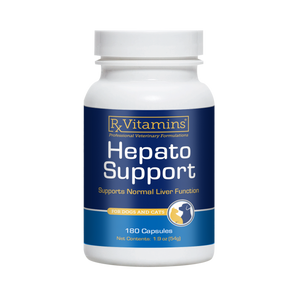
For dogs needing liver-focused nutritional support, the liver support supplements for dogs collection includes Hepato Support in capsule, liquid, and soft chew formats.
Hepato Support contains standardized milk thistle extract, B vitamins, and alpha-lipoic acid. The formula is designed to support normal liver function.
For dogs needing digestive nutritional support, digestive supplements for dogs include probiotic and digestive formulas.
These products provide nutritional support. They are not treatments for bile acid disorders, liver disease, or other medical conditions.
If your dog has abnormal bloodwork or ongoing symptoms, discuss supplementation with your veterinarian before adding a new product.
Why Does Supplement Quality Matter for Dogs?
Quality matters when choosing nutritional products for dogs. Responsible manufacturers should follow appropriate quality-control practices, monitor adverse events, maintain compliant labeling, and use suitable testing procedures. The NASC Quality Seal reflects participation in defined quality standards for animal supplements.
RX Vitamins is listed by NASC as a Primary Supplier. NASC states that RX Vitamins passed an independent facility audit and earned permission to display the Quality Seal.
The NASC Quality Seal program includes quality-control procedures, adverse-event reporting, labeling requirements, independent product testing, and ongoing training.
The Quality Seal does not mean a product treats a medical condition. It is a quality signal that can help consumers identify suppliers that have met NASC's quality requirements.
When choosing a supplement, look for clear ingredient information, appropriate directions, responsible claims, and transparent product information.
You can also review the broader RX Vitamins product collection to compare nutritional products by health category.
Which RX Vitamins Products May Support Liver or Digestive Wellness?
RX Vitamins offers several product formats designed for different nutritional support needs. Choosing the right option should depend on your dog's needs and your veterinarian's recommendations.
Hepato Support is formulated to support normal hepatic function. It contains standardized milk thistle extract along with B vitamins and alpha-lipoic acid.
For dogs that are difficult to pill, Liquid Hepato provides a liquid format for liver-focused nutritional support.
For dogs that prefer a chew, Hepato Support Soft Chews provide another format designed to support normal liver function.
For digestive wellness, Rx Biotic combines four probiotic strains with two prebiotics. The formula is designed to help maintain normal, healthy intestinal microflora and bowel ecology.
These products are intended as nutritional support. They should not be presented as treatments for abnormal bile acids, liver disease, bile acid malabsorption, or chronic diarrhea.
When Should You Talk to Your Veterinarian?
Talk with your veterinarian when your dog has abnormal bile acid results, persistent diarrhea, repeated vomiting, unexplained weight loss, jaundice, major appetite changes, or other concerning symptoms. Veterinary evaluation can help identify the underlying cause before nutritional support is selected.
Do not try to correct an abnormal laboratory result without understanding why it changed. Bile acid testing provides useful information, but it does not provide a complete diagnosis by itself.
Your veterinarian can interpret the result alongside your dog's medical history, physical examination, laboratory work, and diagnostic imaging.
Prompt veterinary attention is especially important when symptoms are severe, persistent, or worsening.
Frequently Asked Questions About Bile Acid Imbalance in Dogs
What Are the Signs of Bile Acid Imbalance in Dogs?
Signs can include diarrhea, vomiting, appetite changes, weight loss, low energy, or signs related to liver or digestive problems. Some dogs may have few obvious symptoms. Because these signs have many possible causes, they cannot confirm a bile acid disorder by themselves.
What Causes High Bile Acids in Dogs?
High serum bile acids can occur with liver dysfunction, cholestasis, portosystemic shunts, microvascular abnormalities, and other conditions affecting liver or portal circulation. Intestinal bile acid problems are different and may contribute to digestive symptoms.
Does High Bile Acid Mean My Dog Has Liver Disease?
Not necessarily. Elevated serum bile acids can occur with liver and portal circulation problems, but the result does not identify one specific disease. Additional testing may be needed to determine the underlying cause.
What Is a Bile Acid Test for Dogs?
A bile acid test measures bile acid levels in a dog's blood. Veterinarians commonly compare fasting and post-meal samples. The results can provide information about liver function and portal circulation.
Can Bile Acid Problems Cause Diarrhea in Dogs?
Bile acid dysregulation may contribute to chronic diarrhea in some dogs. Bile acid malabsorption can affect how bile acids are handled in the intestine. However, chronic diarrhea has many possible causes and should be evaluated by a veterinarian.
Can Diet Support Healthy Bile Acid Function?
A suitable diet can support overall digestive and nutritional health. The best diet depends on the dog's individual condition. Veterinary guidance is especially important when abnormal liver tests or persistent gastrointestinal symptoms are present.
Can Nutritional Products Help a Dog With Abnormal Bile Acids?
Nutritional products may provide supportive nutrition for normal liver or digestive function when appropriate. They should not replace veterinary diagnosis or prescribed treatment. Discuss product selection with your veterinarian when your dog has abnormal laboratory results or ongoing health concerns.
Support Your Dog With an Informed Approach
An abnormal bile acid result can raise more questions than answers. The most useful next step is understanding what the result means and why it changed.
Work with your veterinarian to identify the underlying issue. Then consider appropriate nutrition and supportive products as part of your dog's overall wellness routine.
RX Vitamins provides veterinary-focused nutritional products designed to support normal body functions in dogs and cats. Explore liver support supplements for dogs, digestive supplements for dogs, or the complete dog and cat vitamins and supplements collection to learn more about available nutritional support options.
Trusted Supplements for Healthier, Happier Pets
Explore our most popular veterinarian-formulated supplements, thoughtfully developed to support your pet's everyday health and wellness.