Your dog sniffs out the gummy bottle on the counter. By the time you turn around, the cap is on the floor.
That moment scares every pet parent. Human supplements look harmless. Many are not, especially for small bodies. Dogs and cats process ingredients differently than we do.
Human supplements that can be dangerous for dogs and cats include xylitol gummies, iron pills, high-dose vitamin D, and alpha-lipoic acid. This guide shows what to avoid, what to do fast, and how to choose better.
Have a question about a product? Call RxVitamins at 800-792-2222.
In This Guide
Why Are Human Supplements Risky for Dogs and Cats?
Which Human Supplement Ingredients Are Dangerous for Dogs and Cats?
Can Pet Supplements Cause Problems Too?
Not Sure About a Supplement in Your Home?
How Do You Read a Supplement Label Before Your Pet Gets Near It?
What Should You Do If Your Pet Eats a Human Supplement?
What Warning Signs Should You Watch For?
How Do You Choose Supplements Made for Pets?
How Can You Pet-Proof Your Home Against Supplements?
Frequently Asked Questions About Human Supplements and Pets
Why Are Human Supplements Risky for Dogs and Cats?
Human supplements are risky for pets because the doses, ingredients, and sweeteners are built for adult people. Dogs and cats weigh less and process some compounds differently. A small human dose can become a big dose for a pet. Cats can react to tiny amounts of certain ingredients.
The dose was never made for your pet
A label lists the dose for an adult. Your pet’s body weight changes how much is too much. Vets judge risk by dose per kilogram of body weight.
Inactive ingredients can cause harm too
The active ingredient is not the only worry. Flavored chewables and fast-melt tablets often hold sweeteners, flavors, and fillers. Some of those are toxic to pets.
Cats are not small dogs
Cats clear many compounds more slowly than dogs do. That is why one ingredient can be mild for a dog and serious for a cat. Never assume a dog-safe answer applies to your cat.
Which Human Supplement Ingredients Are Dangerous for Dogs and Cats?
The most dangerous human supplement ingredients for dogs and cats are xylitol, iron, vitamin D3, alpha-lipoic acid, caffeine, and high-dose vitamin A. Prenatal vitamins and flavored gummies carry the highest risk. Check labels for these ingredients before leaving any bottle within a pet’s reach.
Xylitol in gummies and chewables
Xylitol turns up in more supplements each year, especially chewable and fast-melting ones. In dogs, it can cause low blood sugar and liver injury. aspca
Xylitol is mainly a dog danger. Poison experts do not flag it as a major cat concern. Still, keep every flavored product away from both species.
Iron and prenatal vitamins
Human supplements are the top source of iron exposure calls to the Pet Poison Helpline. Prenatal vitamins and standalone iron pills often hold more iron than a typical multivitamin. avma
Iron irritates the stomach and can damage the liver. Pets may seem fine for several hours, then get worse. Never wait for a second wave of signs.
Vitamin D3
Vitamin D3 overdoses often cause vomiting, diarrhea, and a poor appetite. Very high doses raise calcium levels and can harm the kidneys. aspca
Vitamin D is fat-soluble, so the body holds on to it. Some rodent poisons also contain a form of it. Vets take any large ingestion seriously.
Alpha-lipoic acid
Alpha-lipoic acid is an antioxidant sold for many human goals. Labels may also call it thioctic acid. Look for the word “lipoic.”
Cats are about ten times more sensitive than dogs to this ingredient. It can drop blood sugar and cause drooling, vomiting, tremors, and seizures. Signs can start within thirty minutes to two hours. avma aspca
Caffeine, vitamin A, and other hidden risks
Some supplements hide stimulants and high-dose vitamins. Watch for these on labels:
-
Green tea extract, coffee extract, and guarana, which all contain caffeine aspca
-
Vitamin A, which can be harmful in large amounts and affects cats more
-
5-HTP and ephedra, listed as toxic on FirstVet’s ingredient list
-
Bodybuilding and weight-loss blends
-
Fluoride in children’s vitamins, which often causes vomiting and diarrhea aspcapro
Quick reference: ingredient danger at a glance
|
Ingredient |
Common source |
Dogs |
Cats |
|
Xylitol |
Gummies, chewables, fast-melts |
High concern |
Not a major concern, still avoid |
|
Iron |
Prenatal and iron pills |
Serious |
Serious |
|
Vitamin D3 |
Multivitamins, bone formulas |
Serious |
Serious |
|
Alpha-lipoic acid |
Antioxidant blends |
Serious |
Very high, tiny amounts matter |
|
Caffeine |
Energy and weight-loss products |
Serious |
Serious |
|
Vitamin A |
Multivitamins |
Possible concern |
More sensitive |
Can Pet Supplements Cause Problems Too?
Yes. Any supplement can cause trouble if a pet eats too much. Flavored chews smell like treats, so pets may swallow a whole container. Store pet supplements like you store medicine, and follow your vet’s guidance on use.
Large amounts of L-tryptophan, manganese, glucosamine, and methionine have caused tremors, stomach upset, and liver trouble in pets. The risk comes from overdose, not from normal use as directed. avma
This is why “natural” never means “free to snack on.” Quantity and storage matter as much as ingredients.
Not Sure About a Supplement in Your Home?
Ask your veterinarian before your pet gets any new product. A short call can prevent a long emergency.
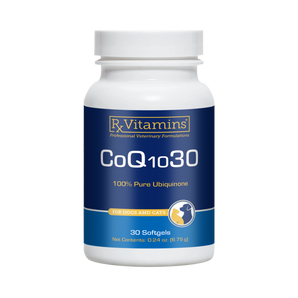
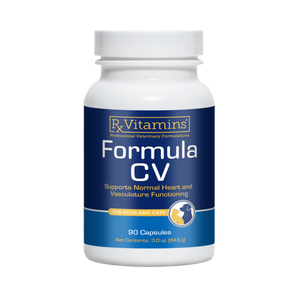
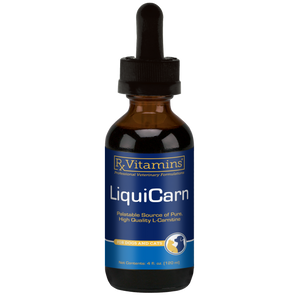
Looking for daily support made for pets? Browse our dog and cat vitamins and supplements. Each one is veterinarian-formulated for pets, not scaled down from adult human products.
How Do You Read a Supplement Label Before Your Pet Gets Near It?
Read both the active and inactive ingredient lists. Look for xylitol, iron, vitamin D3, lipoic acid, caffeine sources, and vitamin A. Check the strength per serving. Keep the original packaging so your vet can read the exact label if something goes wrong.
Scan the active ingredients
Some labels list minerals only in elemental form, so the name may look unfamiliar. Search for these words: avma
-
Iron, ferrous, or ferric
-
Cholecalciferol or vitamin D3
-
Lipoic or thioctic acid
-
Guarana, coffee, or green tea extract
Check the inactive ingredients
Sweeteners hide here. Flavored liquids, chewables, and “sugar-free” gummies deserve extra care. Formulas change over time, so a product that was clean last year may not be today.
Keep the packaging
Vets rely on the label to pick the right treatment. Photograph the front and back of any bottle your pet gets into. Note the strength and the count.
What Should You Do If Your Pet Eats a Human Supplement?
Call your veterinarian or a pet poison hotline right away. Do not wait for signs. Do not try to make your pet vomit unless a professional tells you to. Take the bottle along and note what and how much your pet ate.
Follow these steps:
-
Move your pet away and pick up any remaining pills or gummies.
-
Grab the bottle. Note the product, strength, number eaten, and time.
-
Call your vet. You can also reach the ASPCA Animal Poison Control Center at (888) 426-4435. The Pet Poison Helpline is at (855) 764-7661. A consultation fee may apply.
-
Follow the advice you get. Skip home remedies.
-
Head to an emergency clinic if the expert tells you to.
Fast action gives your pet the best chance. When in doubt, call.
What Warning Signs Should You Watch For?
Signs depend on the ingredient and the amount. They can start within minutes or take days to appear. Call a professional even if your pet looks fine, because some problems stay quiet at first.
|
Ingredient |
Possible signs |
|
Xylitol |
Weakness, lethargy, vomiting, seizures |
|
Iron |
Vomiting, belly pain, diarrhea, bloody stool |
|
Vitamin D3 |
Vomiting, diarrhea, poor appetite |
|
Alpha-lipoic acid |
Drooling, vomiting, wobbling, tremors, seizures |
|
Caffeine |
Restlessness, fast heartbeat, tremors |
How Do You Choose Supplements Made for Pets?
Choose supplements made for your pet’s species, size, and life stage. Ask your veterinarian first. Look for clear labels and a company that follows National Animal Supplement Council quality standards. Skip human products, even when the ingredient list sounds familiar.
Look for species-specific formulas
Dogs and cats have their own nutrient needs. Pet formulas account for that. Curious what dogs actually require? Read about the vitamins and minerals your dog really needs.
Ask about quality standards
Reputable pet supplement companies follow written quality manuals and audited manufacturing. They also track adverse events. These are National Animal Supplement Council expectations, and good questions for any brand.
Lean on your veterinarian
Many pets on a complete and balanced diet need nothing extra. Vets may suggest support during recovery, aging, or for specific needs. Always ask before you start or stop anything.
Why RxVitamins fits
RxVitamins has made veterinary formulations for decades. Here is what that means for you:
-
Feature: Veterinarian-formulated for dogs and cats.
-
Advantage: Built around pet needs, not adult human doses.
-
Benefit: You choose with your vet and worry less about guesswork.
If your vet recommends a daily multivitamin for your dog, ask about Rx Essentials for Dogs. Or explore our everyday health supplements with your vet’s guidance.
How Can You Pet-Proof Your Home Against Supplements?
Most accidents happen in seconds. A few habits close the gap:
-
Store all supplements in a closed cabinet above pet height.
-
Keep bottles out of purses, backpacks, and nightstands.
-
Do not rely on child-resistant caps. Dogs can chew through them.
-
Use a sealed pill organizer and put it away after each use.
-
Ask guests to keep their bags off the floor.
-
Store pet supplements the same way as human ones.
Frequently Asked Questions About Human Supplements and Pets
Can dogs take human vitamins?
No, not without your vet’s approval. Human vitamins hold adult doses and may contain xylitol, iron, or vitamin D3. Those can harm dogs. Even safe-sounding ingredients may reach unsafe levels. Choose a veterinarian-formulated supplement made for dogs instead.
Are gummy vitamins toxic to dogs?
They can be. Many gummies and chewables use xylitol, which can drop a dog’s blood sugar and injure the liver. Gummies also taste great, so dogs may eat the whole bottle. Call your vet or a poison hotline right away if this happens.
Can cats take human multivitamins?
No. Cats are more sensitive to some ingredients, including alpha-lipoic acid and vitamin A. Doses made for adults can also overwhelm a small body. Ask your vet before giving your cat any supplement, and pick products made for cats.
Is xylitol dangerous for cats?
Xylitol is mainly a dog danger. Poison experts do not list it as a major cat concern. Still, flavored products can hold other risky ingredients. Keep every human supplement away from your cat and call your vet after any ingestion.
What if my pet ate just one vitamin?
One pill can still matter, especially for iron, vitamin D3, or xylitol products. Risk depends on your pet’s weight and the product’s strength. Call your vet or a poison hotline with the label in hand. Do not wait for signs.
Do pets need supplements at all?
Many pets eating a complete and balanced diet do not. Vets may recommend supplements for certain life stages or needs. Always talk to your veterinarian first. Then choose a product made for pets and follow the label.
How do I know a pet supplement is high quality?
Check for a clear ingredient list, batch tracking, and a company that follows National Animal Supplement Council standards. Ask about audits and adverse event reporting. Choose brands with veterinary formulation experience, and let your vet help you decide.
Talk to RxVitamins About Pet-Made Supplements
Your pets deserve products made for them. Our team is ready to help you find the right fit with your vet.
-
Call: 800-792-2222
-
Email: info@rxvitamins.com
-
Questions first? Contact our team
-
Ready to browse? Explore our dog and cat vitamins and supplements
-
Veterinary practice? Request a wholesale account
This article is for education and does not replace veterinary care. If your pet may have eaten a human supplement, call your veterinarian or a poison hotline right away.