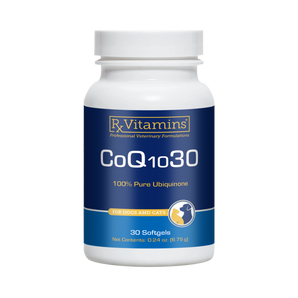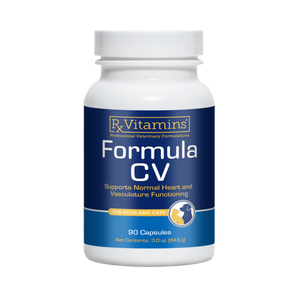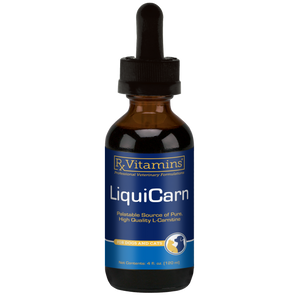
It is 2 a.m. Your dog scratches again. The tags jingle. Nobody sleeps.
You grab your phone and search for answers. Soon you find pet allergy test kits. A pinch of fur or a quick swab, then a report lands in your inbox. It sounds almost too easy.
So do they work? Sometimes a kit gives you a useful starting list. Often it adds more confusion. Every week the itching continues, the worry grows.
This guide gives you the straight story. You will learn how kits work, what results mean, and where your vet fits. RX Vitamins has built veterinary formulations since 1998, so we know how badly owners want clear answers.
Want skin and coat support while you sort this out? Explore our dermatological collection.
In This Guide
-
How Do Pet Allergy Test Kits Work?
-
Allergy or Intolerance: What Can a Kit Measure?
-
Are At-Home Pet Allergy Tests Accurate?
-
What Do Pet Allergy Test Results Mean?
-
Where Does Your Vet Fit In?
-
Not Sure Where to Start? Talk With Our Team
-
How Do You Choose the Right Next Step?
-
What Should You Bring to the Vet?
-
Everyday Skin and Coat Support From RX Vitamins
-
Frequently Asked Questions About Pet Allergy Test Kits
-
Talk to Your Vet, Then Build a Plan
How Do Pet Allergy Test Kits Work?
Pet allergy test kits work in three steps. You collect a sample at home, such as hair, saliva or a few drops of blood. You mail it to a lab. The lab compares it against a panel of foods and environmental items, then emails a report.
Hair and Saliva Kits
These are the most common kits online. You snip a little fur or swab your pet’s cheek. Then you mail the sample using the packaging provided.
Many report on hundreds of items. Panels often cover proteins, grains, fabrics and pollens. Some use bioresonance, a method that is not an antibody test.
Blood Sample Kits
Other kits ask for a few drops of blood from a small lancet. The lab measures IgE antibodies. These are immune markers linked to true allergic reactions.
Panels often cover up to around 125 allergens. That sounds thorough. Still, labs and methods vary widely.
What Arrives in Your Inbox
Most reports use color codes or a score from low to high. Results usually arrive within one to three weeks.
Treat that score as a data point. It is not a diagnosis.
Allergy or Intolerance: What Can a Kit Measure?
A true allergy involves the immune system, often measured through IgE antibodies or skin reactions. Intolerance is a looser term for a sensitivity. Most hair and saliva kits report sensitivities, not confirmed allergies. They do not measure IgE the way a veterinary lab does.
|
Test Type |
Sample |
What It Reports |
Vet Standing |
|
Hair or saliva kit |
Fur or cheek swab |
Sensitivity scores |
Not validated in published research |
|
Blood IgE kit |
A few drops of blood |
IgE to listed allergens |
Same marker vets use, but labs vary |
|
Veterinary serum test |
Blood draw by your vet |
IgE to environmental allergens |
Ordered and interpreted by your vet |
|
Intradermal skin test |
Tiny skin injections |
Skin reactions |
Considered the gold standard for environmental allergens |
Why the Difference Matters
Your pet may itch from fleas, a skin infection, pollen or food. Each cause needs a different plan.
A kit that lumps them together can send you in the wrong direction.
Food Reactions Are a Special Case
Veterinary sources agree on one point. No blood, saliva or hair test has been validated to find food allergies in dogs.
The proven method is a strict diet trial guided by your vet.
Are At-Home Pet Allergy Tests Accurate?
Not reliably. In a peer-reviewed study in Veterinary Dermatology, one hair and saliva test returned positive results for every sample, even synthetic fur and saline. Healthy and allergic pets looked the same. Repeat samples did not match. Most veterinary dermatologists do not recommend these kits.
What the Research Found
Researchers sent hair and saliva from allergic pets, healthy pets and fake samples. The test performed no better than chance.
The results were also not reproducible. A second sample from the same pet could tell a different story.
Why Reviews Sound So Different
Online reviews swing from thrilled to furious. Some owners say a report matched their dog’s food trouble. Others say it cleared a food their dog clearly reacts to.
When a test cannot tell real samples from fake ones, a match can happen by luck. That is why one happy review proves very little.
What a Kit Can Still Do
A kit can start a conversation with your vet. It can also push you to track symptoms more closely.
Treat it as a note to bring along, not an answer. Never overhaul your pet’s diet based on a kit report alone.
What Do Pet Allergy Test Results Mean?
A pet allergy test result shows how a sample reacted to a panel. It does not show why your pet itches. Even blood and skin tests only suggest triggers. Your vet combines results with symptoms, history and exam findings to decide whether allergy is the cause.
How to Read a Score
Reports often sort items into low, moderate and high groups. Keep three rules in mind:
-
A high score does not prove a problem.
-
A zero does not clear food or pollen.
-
Look for patterns, not single items.
What a Positive Does Not Prove
Many pets react on a test to items that never bother them. A positive shows reactivity. It does not show cause.
Vets mainly use allergy test results to design immunotherapy. That plan targets environmental triggers over time.
Dogs and Cats Read Differently
Dogs often scratch, chew paws or shake their heads. Cats may over-groom, scab or show ear trouble instead.
Kit reliability questions apply to cats too. Cat food trials also run about eight to twelve weeks.
Where Does Your Vet Fit In?
Your vet finds the cause by ruling out other reasons for itching, then guiding a treatment trial. Tests come later. Fleas, infections and mites come first. Vets mainly use allergy test results to build immunotherapy, not to make the first diagnosis.
Start by Ruling Out the Usual Suspects
Fleas cause the most common allergy in dogs. Vets often diagnose it without any test.
Skin infections and mites can also look like allergies. Your vet checks for each one first.
Try a Strict Food Trial
A prescription hydrolyzed or novel protein diet usually runs eight to twelve weeks. Every treat, chew and flavored medicine counts.
If itching improves, your vet adds old foods back one at a time. That step shows which food causes trouble.
Intradermal and Blood Testing
Intradermal testing uses a sedated pet and a small shaved patch. Your vet injects tiny amounts of allergens. Reactions show within about fifteen to twenty minutes.
Serum testing uses a blood draw and measures IgE. Both help with environmental triggers such as pollen, mold and dust mites.
Know When to See a Dermatologist
Ask for a referral if itching returns after treatment. Ask again if skin or ear infections keep coming back.
A veterinary dermatologist can run deeper testing and build a long-term plan.
Not Sure Where to Start? Talk With Our Team
You do not have to sort this out alone. Contact our team to find RX Vitamins products that support skin and coat health between vet visits. Call 800-792-2222 any time.
RX Vitamins also offers a mineral and toxic metal fur test kit. It is not an allergy test. Read our Poison Recovery and Testing guide, or browse our testing kits.
How Do You Choose the Right Next Step?
Choose your next step by symptoms. Seasonal itching points toward environmental triggers. Year-round itching, ear trouble or stomach upset point toward food or other causes. In every case, book an exam first. Your vet then picks the right test, trial or treatment.
-
Itching only in certain seasons: ask your vet about environmental testing.
-
Itching all year, plus ear problems: ask about a food trial.
-
Itching with vomiting or loose stools: share the full pattern with your vet.
-
Cat over-grooming: book an exam before changing any food.
-
Curious about a kit: bring the report, but do not act on it alone.
Skipping steps costs time and money. A short exam often saves both.
What Should You Bring to the Vet?
Bring a symptom diary, a full list of foods and treats, flea prevention details, current medicines and supplements, photos of flare-ups and any kit report. This gives your vet a clear timeline and helps avoid repeat testing.
Your Checklist
-
Dates when itching starts, worsens or fades
-
Every food, treat, chew and flavored medicine
-
Flea and tick products, with dates
-
Current medicines and supplements
-
Photos of rashes, paws and ears
-
The kit report, printed or saved on your phone
Smart Questions to Ask
-
Could fleas, infection or mites explain this?
-
Does the kit report change our plan?
-
Is a food trial or skin test the better first step?
-
Should any medicine or supplement pause before testing?
That last question matters. Some medicines and fatty acid supplements can affect skin test results. Ask your vet before you change anything.
Everyday Skin and Coat Support From RX Vitamins
RX Vitamins offers veterinary formulated supplements that support healthy skin and coat, normal immune function and digestive balance. They do not diagnose, treat or replace veterinary care. Use them alongside a plan built with your vet.
Skin and Coat Support
Our dermatological collection offers formulas that support skin and coat health. Healthy skin and a good coat help your pet look and feel their best every day.
Immune and Digestive Support
Our immune health products support normal immune function. Our gastrointestinal health products support normal digestive function.
For daily wellness, browse our everyday health range.
Trusted Since 1998
RX Vitamins has been formulated for veterinary care since 1998. We keep our claims simple and honest.
Our supplements support normal body function. They never promise to treat or cure disease. Veterinary clinics can request a wholesale account.
Frequently Asked Questions About Pet Allergy Test Kits
Do pet allergy test kits really work?
Hair and saliva kits have not performed reliably in published research. One study found they performed no better than chance. Blood-based kits measure IgE, but results still need a vet’s interpretation. Use any kit as a starting note, not a diagnosis.
Can I test my dog for food allergies at home?
No at-home test has been validated for dog food allergy. The proven method is an eight to twelve week diet trial with your vet. Your vet then reintroduces old foods to confirm the trigger.
Are cat allergy test kits reliable?
Cat kits raise the same concerns as dog kits. Studies of hair and saliva tests found unreliable results in cats too. Your vet can guide a food trial or recommend testing for environmental triggers.
How much do pet allergy test kits cost?
Kits often cost roughly one hundred to a few hundred dollars. Veterinary workups usually cost more because they include exams, lab fees and follow-up. Ask your vet for a clear plan before you buy anything.
Should I show my vet my pet’s kit results?
Yes. Bring the full report, along with your symptom diary and food list. Your vet can tell you which details help and which to set aside. Do not change your pet’s diet before that visit.
What is the best way to find out what my pet is allergic to?
Start with a vet exam. Your vet rules out fleas, infections and mites first. Then comes a food trial, skin testing or blood testing, depending on your pet’s symptoms. This path gives the most reliable answers.
Talk to Your Vet, Then Build a Plan
Pet allergy test kits can feel like a shortcut. For most pets, the real shortcut is a vet exam and a clear plan.
Start with your vet. Bring your notes and any kit report. Then add everyday support from RX Vitamins.
-
Call us at 800-792-2222
-
Email info@rxvitamins.com
-
Contact our team with your questions
-
Shop our dermatological collection
-
Support normal immune function with our immune health range
Your pet deserves a calmer night. We are glad to help you get there.