Choosing Between Shampoos, Sprays, Mousses and Wipes
Rx Vitamins' skin, coat and hygiene lineup covers several product formats, and the right one for a given moment usually comes down to how much time is available and where the cleaning needs to happen. A shampoo is built for a full bath, a spray or mousse is built for spot cleaning, and a wipe is built for a quick, no-rinse cleanup. Understanding what each format is designed to do makes it easier to build a routine that actually fits a dog's or cat's lifestyle, rather than defaulting to whatever is on hand.
When a Full Shampoo Bath Makes Sense
Shampoo is the right choice when the goal is a thorough, whole-body cleanse. It's formulated to be worked into a wet coat, distributed down to the skin, and then rinsed out completely, which is why it's typically used on a set bathing schedule rather than as a daily step. A full bath is also the more practical option after a dog has been outside in mud, dust, or debris, or when a coat simply needs a deeper clean than a quick wipe-down can provide.
When to Reach for a Spray or Mousse Instead
Sprays and mousses fill the gap between baths. Because they're applied directly to the coat and worked in without rinsing, they're useful for freshening up a coat, addressing a small area that got dirty, or maintaining a clean feel between scheduled baths. They also tend to be more portable and easier to use on the go, whether that means after a walk, before a visit to friends or family, or any time a full bath isn't practical because of time, weather, or a pet that isn't fond of water.
When Wipes Are the More Practical Option
Wipes are the most convenient format for quick, targeted cleanups. They don't require water, they're easy to keep on hand in a bag or by the door, and they work well for paws after a walk, a quick touch-up around the face, or general hygiene maintenance for pets that find baths stressful. Because wipes are pre-portioned and easy to control, they're also a practical option for puppies and kittens that aren't yet accustomed to bathing, and for senior pets that may tire more easily during a longer grooming session.
Building a Simple At-Home Hygiene Routine
There's no single bathing or hygiene schedule that fits every dog or cat. Coat type, activity level, skin sensitivity, and how much time a pet spends outdoors all play a role in how often a full bath is needed, and a veterinarian is the best resource for a schedule tailored to an individual pet. That said, most hygiene routines are easier to maintain when they combine an occasional full bath with lighter, more frequent maintenance in between.
How Often to Bathe a Dog or Cat
Many dog owners find that bathing every few weeks works well as a starting point. Dogs that spend a lot of time outdoors often need baths more often, while dogs with drier skin typically need them less often, and it's worth adjusting the schedule based on how the coat and skin look and feel over time. Cats groom themselves regularly and typically need far less frequent bathing, though some cats, including those with limited mobility or longer coats, can still benefit from occasional help keeping their coat clean.
Between-Bath Maintenance
Between full baths, a spray, mousse, or wipe can help keep a coat looking and feeling clean without the time commitment of a full wash. This is also a natural point to check in on a pet's skin and coat: looking for anything unusual, checking for mats, and keeping an eye on areas that tend to get dirty first, like paws, the belly, and around the face.
Supporting Sensitive Skin and Coat Condition
Dogs and cats with sensitive skin often do best with a consistent, predictable hygiene routine rather than frequently switching between different products. Sudden changes can make it harder to tell what's working and what isn't, while a steady routine makes it easier to notice if something changes.
Introducing a New Product Gradually
When trying a new shampoo, spray, or wipe for the first time, it's a good practice to use it on a small area first and watch how the skin responds before using it more broadly. This is especially useful for pets with a history of sensitive skin, since it gives an early indication of whether a product is a good fit before it's used over the entire coat.
Signs Worth Mentioning to Your Veterinarian
A hygiene routine is meant to support normal, everyday skin and coat care. It isn't a substitute for veterinary attention when something seems off. Changes in skin condition, persistent scratching, or anything that seems out of the ordinary for a particular pet are worth discussing with a veterinarian, who can recommend an appropriate course of care based on a hands-on evaluation.
Ear Hygiene as Part of a Regular Routine
Ear cleansers and ear wipes are formulated specifically for routine ear hygiene rather than full-body use, and they play a different role in a pet's overall care routine than a shampoo or coat spray does.
Dogs and Cats That May Benefit From More Frequent Ear Care
Some dogs and cats naturally need more attention to ear hygiene than others. Dogs with floppy or heavily furred ears, breeds prone to moisture retention in the ear canal, and dogs that swim or bathe frequently can be more prone to wax and debris buildup, simply because of how their ears are shaped or how often they get wet. Cats generally groom themselves well but can still benefit from occasional ear checks, particularly as they age or if they spend time outdoors.
What a Basic Ear-Cleaning Routine Looks Like
A simple at-home routine typically involves using an ear cleanser or wipe on the visible, outer portion of the ear, following the product's specific directions for use. Cotton balls, wipes, or a cleanser applied to a soft cloth are common tools for this, and care should always be taken not to insert anything deep into the ear canal. Building this into a regular routine, rather than only addressing ears when something seems off, makes it easier to notice changes early and to keep a consistent baseline for what's normal for a particular pet. Any concerns about odor, discharge, redness, or a pet that seems bothered by its ears are best directed to a veterinarian.
Wipes Beyond the Coat: Tear Stains and Dental Hygiene
Not every wipe in this collection is designed for the coat. Two of the more specialized formats, tear stain wipes and dental finger wipes, serve specific hygiene purposes that fit naturally into the same at-home routine as coat and ear care.
Tear Stain Wipes
Tear stain wipes are designed for gentle, routine cleanup around the eye area, which can be useful for breeds or individual pets that are more prone to visible staining from tearing. They're generally used as a light daily or as-needed wipe-down rather than a deep clean, making them easy to incorporate into a facial hygiene routine alongside regular grooming.
Dental Finger Wipes
Dental finger wipes fit over a fingertip and are used to wipe along the teeth and gumline, helping keep teeth and gums clean as part of an at-home dental hygiene routine. They're a convenient option for pets that aren't ready for a toothbrush, or as a supplement to brushing on days when a full brushing session isn't practical. Like other forms of at-home dental care, finger wipes work best alongside regular veterinary dental checkups, not as a replacement for them.
Dogs vs. Cats: Different Hygiene Considerations
While many hygiene products are formulated to work for both dogs and cats, the two species don't always have identical needs. Cats groom themselves far more than dogs do, which generally reduces how often a full bath is needed, but it also means cats can be more sensitive to certain scents and ingredients, since they'll often lick their coat after a product is applied. Dogs, on the other hand, come in a much wider range of coat types, from short, single coats to thick double coats and curly, low-shedding coats, and that variation affects both bathing frequency and which format (shampoo, spray, or wipe) works best day to day. Whenever a product is intended for use on a cat, it's worth confirming the label specifically supports that, rather than assuming a dog product is automatically suitable.
Common Questions About Pet Skin, Coat and Hygiene Care
What's the difference between a pet shampoo and a mousse or spray?
Shampoo is applied to a wet coat, worked in, and rinsed out during a full bath. Mousse and spray formats are designed for spot cleaning or coat refreshing between baths and typically don't require rinsing, which makes them useful when a full bath isn't convenient or necessary.
How often should I clean my dog's or cat's ears?
Cleaning frequency depends on the individual pet: ear shape, activity level, and how much wax or debris tends to build up all play a role. Many owners build ear cleaning into their regular grooming routine and adjust frequency based on what they observe. A veterinarian can help establish a schedule that fits a specific pet's needs.
Can the same hygiene products be used on both dogs and cats?
Not automatically. Some hygiene products are formulated for use on both dogs and cats, but cats can be more sensitive to certain ingredients and scents, particularly since they groom themselves after a product is applied. It's always worth checking that a product's label specifically supports use on cats before using it on one.
What's the advantage of finger wipes over a cloth or cotton ball?
Finger wipes are pre-moistened, textured for grip, and shaped to fit directly over a fingertip, which makes it easier to control pressure and reach smaller areas like around the eyes, ears, or teeth. They're also single-use and portable, which makes them a convenient option for quick cleanups at home or on the go, without needing to prepare a cloth or cotton ball separately.

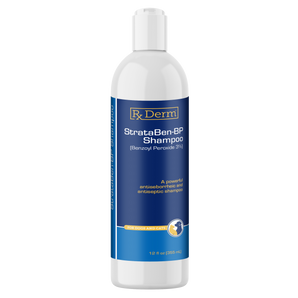 StrataBen-BP Shampoo $24.79 /
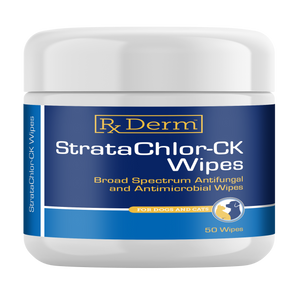 StrataChlor-CK Wipes $24.99 /
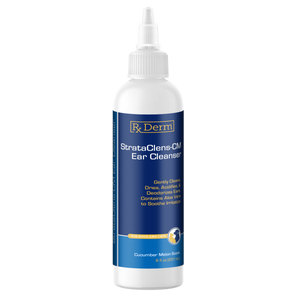 StrataClens-CM Ear Cleanser $13.59 /
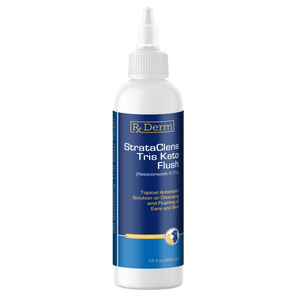 StrataClens Tris Keto Flush $31.49 /
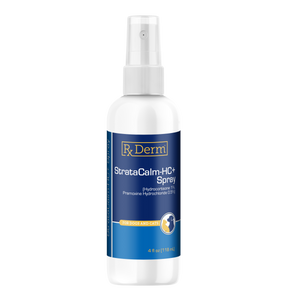 StrataCalm-HC+ Spray $22.99 /
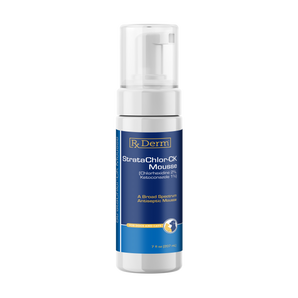 StrataChlor-CK Mousse $29.49 /
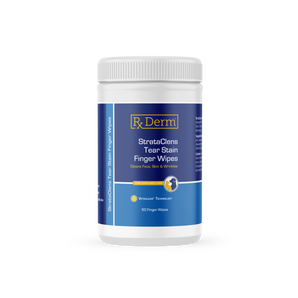
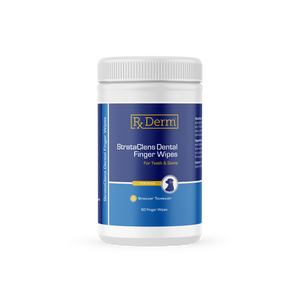 StrataClens Dental Finger Wipes 50ct $21.99 /
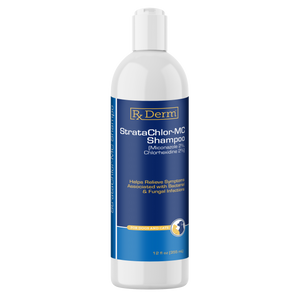 StrataChlor-MC Shampoo $32.49 /
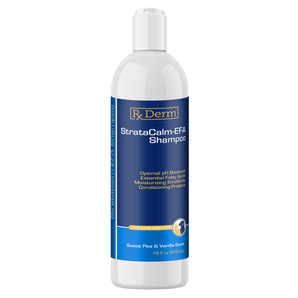 StrataCalm-EFA Shampoo $20.99 /
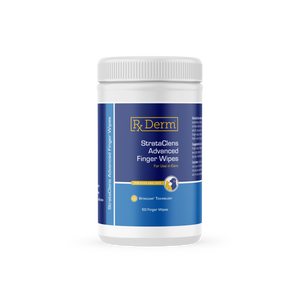
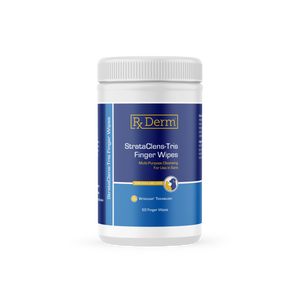
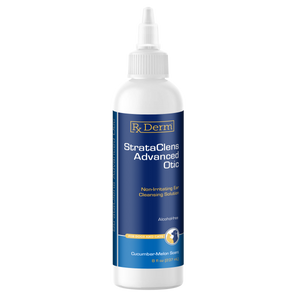 StrataClens Advanced Otic $20.99 /
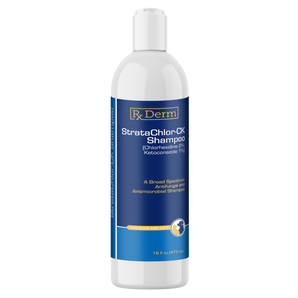 StrataChlor-CK Shampoo 16 oz. $41.99 /
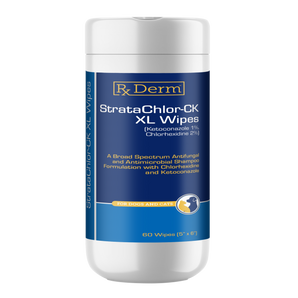 StrataChlor-CK XL Wipes $37.79 /
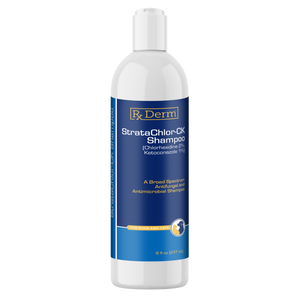 StrataChlor-CK Shampoo 8 oz. $29.49 /
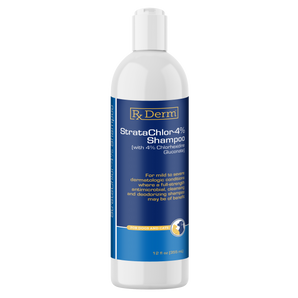 StrataChlor-4% Shampoo $27.29 /
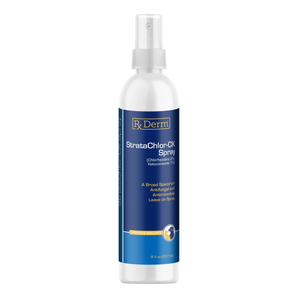 StrataChlor-CK Spray $28.39 /
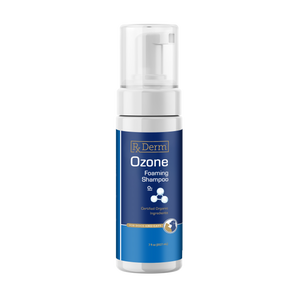 Ozone Foaming Shampoo $49.99 /
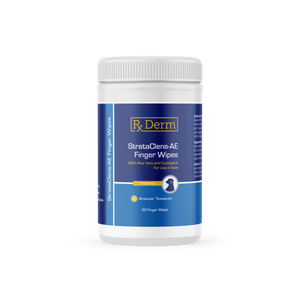 StrataClens-AE Finger Wipes 50ct $18.99 /
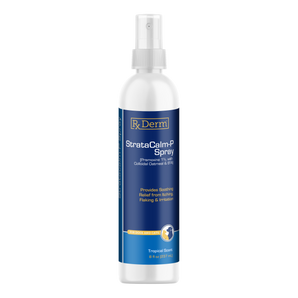 StrataCalm-P Spray $18.89 /