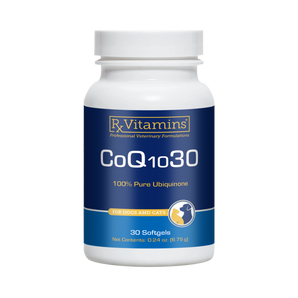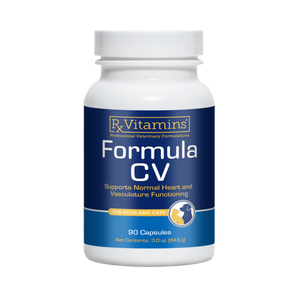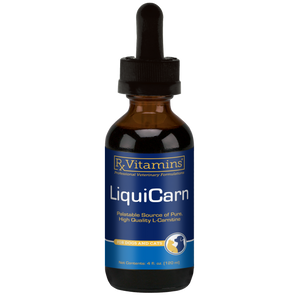
You hold up a bottle at the exam table. Your vet asks, “What exactly is in this?” You freeze. The label is at home. You can’t recall the dose either.
Every pet owner has lived that moment. It feels small, but it isn’t. Vets build safe plans from details, and a fuzzy supplement history leaves gaps.
Talking to your vet about supplements gets easy once you have a plan. This guide gives you the questions to ask, the items to bring and the quality checks that matter.
Questions about veterinarian formulated products? Call RxVitamins at 800-792-2222.
In This Guide
-
Why Should You Tell Your Vet About Every Supplement Your Pet Takes?
-
What Should You Bring to Your Pet’s Vet Appointment About Supplements?
-
What Questions Should You Ask Your Vet About Supplements?
-
How Can You Judge Supplement Quality With Your Vet?
-
Ready to Bring Supplements Into Your Next Vet Visit?
-
What Mistakes Should You Avoid When Starting a Pet Supplement?
-
What Does a Good Supplement Conversation Give You and Your Pet?
-
Frequently Asked Questions About Talking to Your Vet About Supplements
-
Start the Conversation With Your Vet Today
Why Should You Tell Your Vet About Every Supplement Your Pet Takes?
Tell your vet about every supplement, chew, powder and treat topper your pet takes. Your vet needs the full picture. That helps them spot overlaps, check for interactions and match each product to your pet’s diet, age and health history. Nothing is too small to mention.
Supplements Belong in Your Pet’s Medical Picture
Your vet already tracks food, medications and symptoms. Pet supplements add another layer.
A product can overlap with a diet or a prescription. Your vet can only catch that if you share it.
Support Products Still Deserve a Conversation
Many owners skip the topic because a chew feels harmless. Veterinary nutraceuticals are made to support normal body function, such as joint, gut or skin and coat health.
Support is not treatment. Your vet helps you keep that line clear.
What Vets Actually Want to Hear
Vets want three things: the exact product, why you give it and what changed after you started.
Specifics beat guesses. “The brown chew” tells them very little. The product name and dose tell them a lot.
What Should You Bring to Your Pet’s Vet Appointment About Supplements?
Bring the bottles or clear label photos for every product. Note the lot number, dose, frequency and start date. Add your pet’s food, treats and medications. Jot down any changes you see at home. That gives your vet a full picture in minutes.
The Bottles or Clear Label Photos
Bring the real bottle when you can. If not, snap a sharp photo of the front, back and ingredient panel.
Capture the brand and the exact product name. Similar names often hide different formulas.
Lot Number and Expiration Date
Lot numbers let manufacturers trace a batch. They also help your vet look into any concern.
Find the lot number on the bottle, tub or box. Photograph it next to the expiration date.
Dose, Frequency and Start Date
Write down the amount per day and the time of day. Note whether you give it with food.
Add the date you began. This lets your vet connect changes to timing.
Food, Treats and Medications
List everything your pet eats and takes. Include dental chews, treat toppers and table scraps.
Add flea, tick and heartworm preventives too. Photos of prescription labels work well.
Changes You Have Noticed at Home
Track appetite, stool, energy, coat and movement. Short, dated notes help most.
A quick phone video can show what words cannot. Think limping, scratching or coughing.
Screenshot this list before your next visit. Not sure about a product you already use? Contact our team and we will help you find the label details.
What Questions Should You Ask Your Vet About Supplements?
Start with five questions. Does my pet need this? Does it suit their age, size and diet? Could it interact with medications? How will we measure progress? How long should we continue? Together they cover safety, fit and follow-up in one short visit.
Does My Pet Need a Supplement at All?
Some pets on a complete, balanced diet need little extra. Others have life stage or lifestyle needs.
Your vet weighs both. For a deeper look, read our guide on what vitamins and minerals your dog really needs.
Is This Product Right for My Pet’s Age, Size and Diet?
Dosing depends on weight and species. Dog and cat formulas are not interchangeable.
Ask your vet to confirm that the label amount fits your pet.
Could It Interact With Medications or a Therapeutic Diet?
Bring your full medication list. Ask your vet to check each product against it.
Never assume a natural ingredient carries no risk. Your vet can flag timing or dose concerns early.
How Will We Know It Is Working?
Agree on what to watch. Examples include easier movement, steadier digestion or a healthier coat.
Set a check-in date together. A clear target keeps the plan honest.
How Long Should My Pet Take It?
Some products suit short seasons. Others fit daily routines.
Ask for a review point. That way nothing runs on autopilot.
Good Question vs. What It Tells You
|
Question to Ask |
What It Tells You |
|
“Is this dose right for my pet’s weight?” |
Whether the label amount fits your pet |
|
“Does this overlap with anything else we give?” |
Whether products double up on ingredients |
|
“What should I watch for in the first weeks?” |
Which changes to report |
|
“When should we recheck?” |
Your review timeline |
|
“Is this maker open about testing?” |
Quality and traceability |
How Can You Judge Supplement Quality With Your Vet?
Look for a clear label, a lot number and a maker that answers questions. Ask whether the company belongs to the National Animal Supplement Council. NASC members must pass a third-party audit every two years to display the Quality Seal. That audit reviews quality control and labeling.
What the NASC Quality Seal Tells You
NASC is an industry council for companies that make animal health supplements. The seal shows a company passed an independent audit.
It does not prove a product works for your pet. Your vet still decides the fit.
Label Transparency and Lot Traceability
A trustworthy label is easy to read and hard to dodge. Look for:
-
A full ingredient list with amounts
-
Dosing by weight and species
-
A lot number and expiration date
-
Company contact details
-
Calm, realistic claims
Be wary of bold promises. Supplements support health. They do not cure disease.
Testing proof matters even more for hemp products. Learn why COAs for pet products should be non-negotiable.
Why Vet-Channel Products Fit This Conversation
RxVitamins has made veterinarian formulated products for more than two decades. We serve the veterinary channel.
That means your vet can review the formula and the label. They can also call us with questions.
Ready to Bring Supplements Into Your Next Vet Visit?
You now have the list and the questions. Next, put them to work.
Ask your vet which everyday wellness supplements fit your pet’s routine. Have a targeted need in mind? Your vet may discuss joint health supplements or gastrointestinal health support.
Run a clinic? Open a wholesale account to carry veterinarian formulated nutraceuticals your clients can trust.
What Mistakes Should You Avoid When Starting a Pet Supplement?
Avoid human products, stacking several supplements without telling your vet, and changing prescribed medication on your own. Skip guessing at doses too. Each mistake is easy to prevent with one honest conversation and a clear label. Small steps keep your pet safe.
Giving Human Products
Human formulas use different doses. Some include ingredients that do not suit pets.
Choose species-specific products. Ask your vet first.
Stacking Products Without Telling Your Vet
Two products can share the same ingredient. That doubles the amount without you noticing.
A complete list prevents it. Update the list whenever you add or drop a product.
Stopping or Changing Medication on Your Own
A supplement never replaces a prescription. Keep every medication on schedule.
Change nothing unless your vet says so.
What Does a Good Supplement Conversation Give You and Your Pet?
It gives you a written plan, safer combinations and real confidence. Your vet sees the full picture. You know why each product is in your pet’s routine. Clear communication turns guesswork into a shared, trackable plan. That is the real payoff.
A Clear, Written Plan
You leave with notes on what to give, when and why. Whether the goal is skin, gut or immune health supplements, the plan is on paper.
Pin it to your fridge or save it on your phone.
Fewer Overlaps and Safer Combinations
Your vet checks every product against the rest. Doubled ingredients get caught early.
You avoid waste and worry.
Confidence Every Day
You stop second-guessing the scoop or the chew. Every product has a reason and a review date.
Your pet gets steady, thoughtful care.
Frequently Asked Questions About Talking to Your Vet About Supplements
Should I tell my vet about every supplement my pet takes?
Yes. Share every supplement, chew, powder and topper, plus the dose and start date. Your vet uses that list to check for overlaps and interactions. Even products that seem mild belong on the record. Complete information leads to safer, more useful advice.
Can I give my pet supplements with medication?
Sometimes, but only with your vet’s approval. Some ingredients can affect how medications work. Bring your full medication list and the supplement label. Your vet can check the combination and tell you whether timing or dose needs adjusting.
What should I bring to a vet visit about supplements?
Bring the bottles or sharp label photos, lot numbers, doses, frequency and start dates. Add your pet’s food, treats and medication list. Include notes on any changes at home. This helps your vet judge each product quickly and accurately.
How do I know if a pet supplement is good quality?
Check for a full ingredient list, dosing by weight, a lot number and clear company contact details. Ask whether the maker belongs to NASC. Then ask your vet to review the label. Avoid products that promise to cure disease.
What does the NASC Quality Seal mean?
The seal shows a supplement maker passed an independent audit and follows NASC quality standards, including labeling rules. Members are re-audited every two years. The seal speaks to manufacturing quality and transparency. Your vet still decides whether a product fits your pet.
Does my pet need supplements if they eat complete food?
Often not, but it depends on life stage, lifestyle and health history. Some pets benefit from targeted support. Your vet can tell you whether a supplement adds value or repeats what the diet already provides. Ask before you start.
Are human supplements safe for pets?
Not as a rule. Human products use different doses and may include ingredients that do not suit dogs or cats. Choose species-specific formulas and ask your vet first. Never guess a pet dose from a human label. That small step prevents big problems.
Start the Conversation With Your Vet Today
Your next visit is a chance to build a smarter plan. Bring the list. Ask the questions. Check the quality.
Talking to your vet about supplements takes a few minutes. It protects every day that follows.
Have a question about a product? Call RxVitamins at 800-792-2222 or contact our team. Clinics can request a wholesale account or browse our product catalogs.