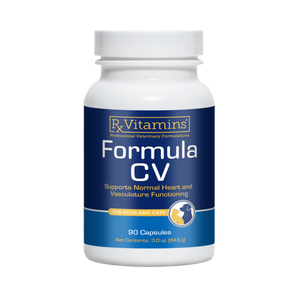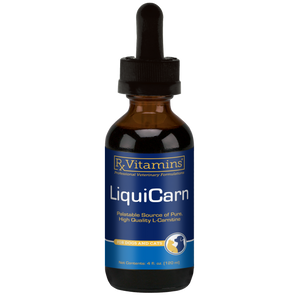
Day ten. You have chewed every morning. Your dog still pauses at the stairs.
Now the doubts creep in. Is this working? Is it the wrong product? Are you wasting money?
Take a breath. Most of this worry comes from one missing piece of information: the clock.
Pet supplements run on a slower clock than most owners expect. This guide shows how long pet supplements take to work, need by need, so you can judge progress with confidence.
RxVitamins has formulated veterinary supplements since 1998. Your vet is the best partner for the next step. We will show you how to talk to them.
On This Page
-
How Long Do Pet Supplements Take to Work?
-
Why Do Supplements Work Slower Than Medicine?
-
Realistic Timelines by Need
-
Not Sure Which Support Fits Your Pet?
-
Do Cats and Dogs Respond at the Same Pace?
-
What Speeds Up or Slows Down Results?
-
How Can You Tell a Supplement Is Working?
-
What If You See No Change?
-
When Should You Call Your Vet Right Away?
-
Frequently Asked Questions About Pet Supplement Timelines
-
Talk to Your Vet About the Right Support
How Long Do Pet Supplements Take to Work?
Most pet supplements take two to eight weeks to show visible changes. Digestive support can show up in days. Joint and skin support usually need a month or more. Results depend on your pet’s size, age, species, diet, and the daily consistency of dosing. Your veterinarian can set the right expectation for your pet.
That range is wide for a reason. A supplement is not a switch. It is steady daily support.
Think of it like a savings account. Small deposits feel invisible at first. Over time, they add up.
Here is the short version:
-
Days: digestive support
-
Weeks: calming routines, skin, and coat
-
A month or more: joint and mobility support
-
Vet-guided: kidney, liver, and heart support
The sections below break each one down.
Why Do Supplements Work Slower Than Medicine?
Supplements support the body’s normal structure and function. They do not act like fast-acting drugs. The body needs time to absorb nutrients, use them, and build steady levels. That is why daily consistency matters more than any single dose.
Daily Support Builds Over Time
Nutrients such as omega-3 fatty acids, probiotics, and joint-support ingredients work through the body’s normal processes. Those processes take time.
Skipping doses resets the rhythm. Steady use gives your pet’s body a reliable supply.
Every Pet Responds Differently
Two dogs can take the same chew and see different timelines. Age, weight, diet, and lifestyle all matter. So does the starting point.
A senior Labrador and a young terrier will not move at the same speed. Comparing your pet to a stranger’s pet online will only add stress.
Realistic Timelines by Need
Most pets show changes within a few days to a few months, depending on the need. Digestive support is often the fastest. Joint, skin, and coat support take longer. Immune and organ support are tracked through routine vet visits, not at-home observation.
|
Need |
General window many owners discuss |
Who tracks it |
|
Digestive support |
A few days to two weeks |
You and your vet |
|
Calming support |
Situational use can show sooner; steady routines take one to two weeks |
You |
|
Skin and coat support |
Four to eight weeks, sometimes longer |
You and your vet |
|
Joint and mobility support |
Four to six weeks, sometimes up to twelve |
You and your vet |
|
Immune support |
No visible signal |
Your vet |
|
Kidney, liver, and heart support |
Guided by bloodwork and checkups |
Your vet |
These windows are general. Your vet knows your pet’s history and can adjust them.
How Long Do Digestive Supplements Take to Work?
Digestive and probiotic support often shows first. Many owners notice steadier stools and calmer tummy routines within days. Some pets need up to two weeks.
Give the supplement with meals and stay consistent. Switching products too often makes it hard to tell what helped.
Your vet may check stool quality and appetite at the next visit. If you want to explore the range, browse the digestive supplements for dogs and cats.
How Long Do Calming Supplements Take to Work?
Calming support depends on the situation. Some pets respond within hours around a short, planned event. Others need one to two weeks of steady use to build a calmer routine.
Match the plan to your pet’s pattern. Thunderstorm season needs a different approach than a daily routine.
Behavior changes deserve a vet conversation first. Look at the behavioral supplements for dogs and cats with your vet to match support to your pet’s routine.
How Long Do Skin and Coat Supplements Take to Work?
Skin and coat support moves slowly. Skin renews itself in cycles, and coat changes follow the hair growth cycle. Most pets need four to eight weeks before you see a difference. Some need longer.
Look for small signs. A softer feel, a smoother shine, or less dull fur are all early cues.
Itching and skin flare-ups can have many causes. Your vet should look into those first. Then explore dermatological supplements for pets as part of the plan.
How Long Do Joint Supplements Take to Work?
Joint and mobility support needs patience. Many vets discuss a window of four to six weeks. Some pets take up to twelve weeks.
Early signs are subtle. Your dog may hop onto the couch more easily. Your cat may jump to the window ledge again.
Quitting at week three is the most common mistake. Give the full window, then review with your vet. Start with the pet joint health supplement collection if mobility is on your mind.
How Long Do Immune Supplements Take to Work?
Immune support is the hardest one to judge. There is nothing to see. Success looks like a pet that stays steady through seasonal changes.
Consistency is your signal here. Your vet tracks the bigger picture during routine exams.
Learn more about options in the immune support supplement for dogs collection.
How Long Do Kidney, Liver, and Heart Supplements Take to Work?
These supplements support normal organ function. You cannot see that at home. Your vet follows progress through bloodwork, urine tests, and physical exams.
The timeline follows your vet’s recheck schedule. Never change or stop a plan on your own.
Your vet can guide you through kidney support for pets, liver support for pets, and pet heart health supplements.
Not Sure Which Support Fits Your Pet?
You do not have to guess. Your veterinarian knows your pet’s history, diet, and goals.
RxVitamins formulations are veterinarian-formulated and built for clinic use. Bring your questions to your next visit.
Ask your vet about RxVitamins. Or call us at 800-792-2222 and we will point you to the right collection.
Do Cats and Dogs Respond at the Same Pace?
Cats and dogs can follow similar timelines, but cats are often harder to dose consistently. Missed doses slow results more than species differences do. Choose a form your pet accepts, and keep the routine steady. Your vet can recommend formats that suit each species.
Getting Cats to Take It Every Day
Cats are picky. A rejected dose is a missed dose.
Try these ideas with your vet’s approval:
-
Offer the supplement at a calm, regular time
-
Mix it into a small portion of favorite food
-
Switch format if your cat refuses one type
Species and Life Stage Still Matter
Kittens, puppies, adults, and seniors all have different needs. A senior cat and a young dog will not follow the same plan.
Always match the product to the species on the label. Never give a dog product to a cat.
What Speeds Up or Slows Down Results?
Consistency, correct form, feeding routine, and your pet’s health status shape the timeline. Daily dosing helps most. Missed doses, skipped meals, and frequent product changes slow progress. Your vet can help you fine-tune each factor for your pet.
Consistency Beats Everything
One missed day will not ruin the plan. A missed week might.
Set a phone alarm. Pair the dose with a daily habit, like breakfast.
Form and Absorption
Chews, powders, capsules, and liquids all work differently. Some pets love one and refuse another.
The best form is the one your pet takes every day. Pick for compliance first.
Diet and Feeding Routine
Many supplements go well with meals. Others have specific label directions. Read the label and follow it.
A balanced diet is the foundation. Supplements add support on top. See what dogs really need in this guide: what vitamins and minerals does your dog really need.
Age, Weight, and Health Status
Larger pets and seniors may need more time. Pets with other health conditions may also respond differently.
Share your pet’s full health picture with your vet. That context shapes a realistic timeline.
How Can You Tell a Supplement Is Working?
Set a baseline before day one, then track small changes weekly. Notes and photos beat memory. Look at energy, movement, stool quality, coat shine, and daily routine. Share the log with your vet. Patterns over weeks tell a clearer story than any single day.
Start With a Baseline
Before the first dose, write down how your pet looks today. Be specific.
-
How easily does your pet climb stairs?
-
How does the coat look and feel?
-
How are stools and appetite?
-
How does your pet handle noise or visitors?
Track Weekly, Not Daily
Daily checks create noise. Weekly check-ins show real trends.
Take a short video of movement. Snap a coat photo in the same light each week.
Share It With Your Vet
A simple log makes your vet visit faster and more useful. Your vet can compare your notes with exam findings.
Want a ready-made template? Download our free pet supplement progress tracker and bring it to your next visit.
What If You See No Change?
First, check consistency, form, and time. If you gave a full dose every day for the expected window and still see nothing, call your vet. Do not double the dose or switch products on your own. Your vet will decide whether to adjust, change, or stop.
Here is a simple checklist:
-
Did you give it every day?
-
Did you follow the label directions?
-
Has the full expected window passed?
-
Did your pet’s food, routine, or health change?
If the answers are yes, yes, yes, and no, ask your vet what to do next.
“No change” is useful information. It helps your vet decide what comes next. It does not mean you failed.
When Should You Call Your Vet Right Away?
Call your vet if your pet vomits repeatedly, refuses food, seems unusually tired, or shows any new symptom after starting a supplement. Do not wait out the full timeline when something feels wrong. Your pet’s safety always comes before a product trial.
Call for any of these:
-
Repeated vomiting or diarrhea
-
Loss of appetite lasting more than a day
-
Sudden lethargy or weakness
-
Swelling, hives, or trouble breathing
-
Any sudden behavior change
Tell your vet exactly what your pet takes, including brand and amount. That detail speeds up the answer.
Frequently Asked Questions About Pet Supplement Timelines
How long does it take for dog supplements to work?
Most dog supplements need two to eight weeks. Digestive support can show in days. Joint support often takes four to six weeks or more. Skin and coat changes usually need four to eight weeks. Your vet can give a timeline that fits your dog.
Can I give a loading dose to speed things up?
Do not change the dose without asking your vet. Some labels include starting directions, and those are safe to follow. Giving extra on your own can upset your pet’s stomach. Your vet can advise whether a different starting plan makes sense.
Why isn’t my pet’s supplement working yet?
The most common reason is time. Many supplements need weeks of steady use. Missed doses, a rejected format, or the wrong match for your pet also slow progress. Track daily use, then review the results with your vet.
Do cats take longer to respond than dogs?
Not always. Cats often miss doses because they refuse them, and that delays results. A steady routine and a format your cat accepts matter most. Your vet can suggest the right option for your cat.
Should I stop a supplement if I see no change?
Wait for the full expected window first. Then talk to your vet before stopping. They may adjust the plan, change the product, or look for another cause. Stopping suddenly can hide useful information.
Can I give supplements with food?
Many supplements work well with meals, and food can help with stomach comfort. Always follow the label for your specific product. If directions are unclear, ask your vet or call RxVitamins at 800-792-2222.
Are pet supplements safe to use long term?
Many supplements are designed for daily, ongoing use. Safety depends on the product, your pet’s health, and other medications. Your vet should review the full plan and recheck it at regular visits.
Talk to Your Vet About the Right Support
Pet supplements reward patience. Most need weeks, not days. The right plan comes from a clear goal, steady daily use, and your vet’s guidance.
Here is what to remember:
-
Digestive support can show in days
-
Calming, skin, and joint support take weeks
-
Organ and immune support follow your vet’s checkups
-
A simple weekly log keeps you on track
RxVitamins has built veterinarian-formulated supplements since 1998. Learn more about RxVitamins, or browse our full range of dog and cat vitamins and supplements.
Ready to take the next step? Ask your vet about RxVitamins at your next visit. Or contact our team or call 800-792-2222.
Are you a veterinary practice? Open a wholesale account to bring RxVitamins to your clinic.
These statements have not been evaluated by the FDA. RxVitamins supplements support normal structure and function and are not intended to diagnose, treat, cure, or prevent any disease. Always consult your veterinarian.