Osteoarthritis in Cats: Subtle Signs Owners Miss and How Vets Support Cat Joint Health
Your cat used to clear the couch in one smooth leap. Now she pauses, studies the distance, and walks around to the ottoman.
You shrug it off. She is getting older, after all.
But that pause may be pain. Osteoarthritis in cats is common, quiet, and easy to mistake for aging. Veterinary sources estimate that about 40% of cats show clinical signs.
This guide shows you the subtle signs owners miss. You will also learn how vets diagnose feline arthritis and what you can do at home today.
Want to see what vet-formulated support looks like? Explore our cat joint health range, then bring your questions to your vet.
In this guide
-
What Is Osteoarthritis in Cats?
-
Why Do Owners Miss the Signs of Arthritis in Cats?
-
Subtle Signs of Arthritis in Cats That Look Like Aging
-
A Simple Home Mobility Check for Your Cat
-
How Do Vets Diagnose and Manage Feline Osteoarthritis?
-
How Can Nutrition Support Cat Joint Health?
-
What Home Changes Help a Cat With Arthritis?
-
Frequently Asked Questions About Osteoarthritis in Cats
-
Help Your Cat Move Comfortably Again
What Is Osteoarthritis in Cats?
Osteoarthritis in cats is a long-term joint condition. Cartilage wears down, the joint becomes inflamed, and movement turns painful. Vets also call it degenerative joint disease. It develops slowly and tends to worsen with age. It most often affects the hips and elbows, though shoulders, knees, and the spine can be involved too.
How Common Is Feline Osteoarthritis?
More common than most owners realize. Estimates suggest more than 60% of cats over age 6 are affected. That rises to about 90% of cats over age 12.
Yet only about 8 to 10% of affected cats receive pain treatment. That gap is the real problem. Spotting signs early gives your vet more options.
Which Joints Are Affected Most?
Hips and elbows lead the list, according to the FDA. Shoulders, hocks, and knees follow. The spine is also common.
Cats rarely limp. So the strain shows up in how they jump, twist, and climb. Behavior tells the story first.
Why Do Owners Miss the Signs of Arthritis in Cats?
Owners miss arthritis in cats because cats hide pain, rarely limp, and change slowly. Most changes look like normal aging, so they go unnoticed for months. Clinic visits add stress, which masks discomfort during exams. Your daily observations are often the most useful clue your vet gets.
Cats Hide Pain by Instinct
Wild instinct tells cats to hide weakness. A cat in pain keeps her routines, just in smaller, slower ways.
She still eats. She still purrs. She simply stops doing the hard things.
“Just Old Age” Is the Biggest Myth
Slowing down feels natural in a senior cat. But skipping high perches and avoiding stairs are not harmless habits. They are often the first quiet signals.
Age raises the risk. It does not make pain normal.
Vet Exams Can Hide the Problem
Cats dislike being handled in clinics. A pulled-away paw may mean pain or plain stress. Your vet cannot always tell which.
Your home notes fill that gap.
Subtle Signs of Arthritis in Cats That Look Like Aging
The subtle signs of arthritis in cats include jumping less, avoiding stairs, sleeping more, grooming less, missing the litter box, and pulling away from touch. Some cats turn grumpy or hide more. Lameness is uncommon. Watch for several small changes over a few weeks, not one dramatic event.
Quick checklist:
-
Hesitating before jumping up or down
-
Choosing low perches over high ones
-
Stiffness after naps
-
Matted fur or an unkempt coat
-
Accidents near the litter box
-
Irritability when touched or picked up
-
Restless sleep or less play
Changes in Jumping and Climbing
This is the classic early sign. Your cat may pause before a jump, use a chair as a stepping stone, or stop using the stairs. She may also stop climbing her cat tree.
Grooming and Coat Changes
Grooming takes flexibility. A cat with stiff joints struggles to twist and reach her back and hips. You may see mats, greasy fur, or over-licking in one spot.
Litter Box Trouble
High sides hurt. A cat with sore hips may skip the box or leave accidents nearby. This is not bad behavior. It is often a mobility problem.
Mood, Sleep, and Touch Sensitivity
Pain changes personality. Your cuddly cat may flinch when you stroke her back. She may hiss, hide, or sleep in new, hard-to-reach places. Some cats become restless at night because settling comfortably is difficult.
A Simple Home Mobility Check for Your Cat
Check how your cat jumps up, jumps down, climbs stairs, runs, and chases toys. Compare each answer to how she moved a year ago. Any hesitation counts. Write the changes down and share them with your vet.
|
Ask yourself |
What to watch for |
|
Does she jump up normally? |
Pausing, using a chair first, falling short |
|
Does she jump down normally? |
Stepping down in stages, landing stiffly |
|
Does she take stairs easily? |
Slow climbs, avoiding stairs |
|
Can she run normally? |
Short sprints, stopping early |
|
Does she still chase toys? |
Less interest, quitting quickly |
Then film a short clip of her jumping. Video shows your vet what an exam room hides.
How Do Vets Diagnose and Manage Feline Osteoarthritis?
Vets diagnose feline osteoarthritis by combining your home history, a hands-on orthopedic exam, and often X-rays. They may also use a pain questionnaire built for cats. Management is usually multimodal. Weight control, home changes, pain care when needed, and nutrition support work together.
The Exam and Your Home Notes
Your vet feels each joint and watches how your cat moves. But a nervous cat may not move naturally. That is why your notes and video matter so much.
Imaging and Pain Scoring
X-rays show joint changes. Yet the picture does not always match the pain. Some cats look rough on film but show few signs. Others hurt with subtle changes. So vets weigh everything together.
Vet-Directed Pain Management
Pain control is a veterinary decision. Options include prescription medications. One example is Solensia, an FDA-approved monthly injection for osteoarthritis pain in cats. It is available only by veterinary prescription.
Your vet chooses what fits your cat.
How Can Nutrition Support Cat Joint Health?
Nutrition supports healthy joints alongside your vet’s plan. Joint formulas provide nutrients such as glucosamine, a building block of joint fluid and cartilage, plus omega-3 fatty acids. They do not replace veterinary care. Ask your vet which option suits your cat’s age and health.
NutriFlex ChewTabs for Daily Joint Support
NutriFlex pairs glucosamine sulfate with bromelain, curcumin, boswellin, and ginger. It adds bovine tracheal cartilage and sea cucumber extracts.
That means broader connective tissue support than a glucosamine-only formula. The beef liver flavor also makes daily dosing easier. Better support, with less fuss at feeding time.
MegaFlex for Concentrated Glucosamine Sulfate
MegaFlex is a high-potency glucosamine sulfate formula for dogs and cats. Glucosamine sulfate is a precursor of synovial fluid. It supports cartilage and comfortable movement.
Choose the powder, or pick MegaFlex Caps based on how your cat takes supplements.
Ultra EFA for Omega-3 Support
Ultra EFA is a concentrated marine lipid rich in EPA and DHA. These omega-3s support cellular health, cardiovascular function, and a healthy inflammatory response.
The 8 fl oz size suits cats and small dogs. Rosemary extract and vitamin E protect the oils from oxidation.
Why Veterinarians Trust RxVitamins
RxVitamins has made veterinarian-formulated supplements since 1998. Formulas are built with clinical practice in mind.
Orders ship across the US by FedEx or USPS within 24 hours of receipt. Orders over $300 ship free. Clinics can request a wholesale account.
Not sure where to start? Ask your vet, then browse the full joint health collection.
Supplements support normal joint structure and function. They are not intended to diagnose, treat, cure, or prevent disease.
What Home Changes Help a Cat With Arthritis?
Small changes make a big difference. Add low-sided litter trays, ramps or steps to favorite spots, warm soft bedding, and a healthy weight plan. Keep food, water, and litter on the floor where your cat rests. Gentle grooming help keeps her coat clean and comfortable.
Ramps, Trays, and Bedding
Place a ramp beside the couch or bed. Swap a tall litter box for a low-entry tray. Add a soft, warm bed in a spot she can reach without jumping.
Healthy Weight and Gentle Grooming
Extra weight adds load to every joint. Ask your vet for a target weight and a feeding plan.
Brush gently with a soft brush. Focus on the back and hips, where she may no longer reach.
Daily Nutrition Foundations
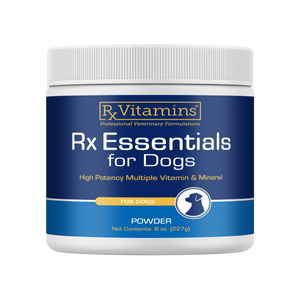
Senior cats still need complete daily nutrition. Rx Essentials for Cats is a daily multivitamin option to discuss with your vet.
You can also read our guide to vitamin D3 for cats and dogs.
Frequently Asked Questions About Osteoarthritis in Cats
Do cats limp with arthritis?
Rarely. Cats seldom show obvious lameness with osteoarthritis. They show it through behavior instead. Watch for reluctance to jump, slower stair climbing, less play, and grooming changes. If you see any of these, mention them to your vet. A limp, when it appears, usually means advanced pain.
How do I know if my cat has arthritis or is just getting old?
Aging alone should not cause pain. Hesitating to jump, avoiding stairs, stiffness after rest, and litter box accidents point toward joint discomfort. Only a vet can confirm the cause. Share your home mobility notes and a short video. They help your vet tell normal aging from pain.
Can osteoarthritis in cats be cured?
No. Osteoarthritis is progressive and has no cure. But vets can manage it. A plan may include weight control, home changes, prescription pain care when appropriate, and nutritional support. Starting early gives your cat more comfortable, active years.
How long can a cat live with arthritis?
Many cats live full lives with vet-guided care. Osteoarthritis does not usually shorten lifespan when it is managed well. Untreated pain, however, lowers quality of life. That is why early recognition matters. A steady care plan helps your cat stay active and engaged.
Are joint supplements safe for cats?
Often yes, when you choose cat-labeled formulas and follow your vet’s guidance. Safety depends on your cat’s age, health, and any medications. Always ask your veterinarian before starting something new. They can recommend the right product, form, and amount for your cat.
Can I give my cat human glucosamine?
Not without vet approval. Human products may contain added ingredients or doses not made for cats. Choose a formula labeled for cats and ask your vet first. Vet-formulated options such as NutriFlex and MegaFlex are made for dogs and cats.
Help Your Cat Move Comfortably Again
That pause before the jump deserves attention. Start with the home mobility check this week. Book a vet visit and bring your notes and video. Then build a plan together.
When you are ready, explore our joint supplements, or contact our team with questions.
Call: 800-792-2222 Email: info@rxvitamins.com
Trusted Supplements for Healthier, Happier Pets
Explore our most popular veterinarian-formulated supplements, thoughtfully developed to support your pet's everyday health and wellness.