Phosphate Binders Explained - When Vets Recommend Phos Bind for Cats
When a cat has kidney problems, phosphorus can become an important part of the care plan. Many owners first hear about phosphate binders after a blood test shows that phosphorus needs closer attention. That can raise difficult questions. What does a phosphate binder do? When might a veterinarian recommend one? Is Phos-Bind suitable for cats? Understanding the answers can make your cat's care plan easier to follow and help you have a more informed conversation with your veterinary team. This guide explains phosphate binders for cats, how they work, and where Phos-Bind for cats may fit into veterinary-directed kidney care.
What Are Phosphate Binders for Cats?
Phosphate binders are products that bind dietary phosphorus inside the digestive tract. This can reduce the amount of phosphorus available for absorption. Veterinarians may consider them when dietary phosphorus restriction alone does not adequately control serum phosphorus in a cat with chronic kidney disease.
In healthy cats, the kidneys help regulate phosphorus balance. Kidney dysfunction can make that balance harder to maintain. A phosphate binder for cats works in the digestive tract rather than directly treating the underlying kidney disease. It binds phosphorus from food so less dietary phosphorus can be absorbed.
Veterinary guidelines recognize intestinal phosphate binders as an option when dietary management does not provide adequate phosphorus control. This distinction matters because a phosphate binder is not a replacement for veterinary care or a complete kidney management plan.
Why Would a Cat Need a Phosphate Binder?
A veterinarian may consider a feline phosphate binder when bloodwork shows that phosphorus remains above the desired range despite appropriate dietary management. The decision depends on the individual cat. Kidney disease stage, diet, bloodwork, appetite, concurrent conditions, and other treatments can all affect the plan.
The goal is not to add another product simply because a cat has kidney disease. The goal is to address a specific nutritional or laboratory concern identified by the veterinary team.
Soft CTA: If your veterinarian has recommended phosphorus management, explore Stratford Animal Care's phosphate binder for cats options.
Why Does Phosphorus Matter in Cats With Kidney Disease?
Cats with chronic kidney disease may have more difficulty maintaining normal phosphorus balance. Renal diets restrict dietary phosphorus, and a veterinarian may add an intestinal phosphate binder when diet alone does not provide adequate control. Regular bloodwork helps guide these decisions.
Phosphorus is an essential mineral. Cats need it for normal biological functions. The concern arises when kidney function is impaired and phosphorus regulation becomes more difficult. This is why feline CKD, phosphorus, and renal nutrition are closely connected.
What Happens When Phosphorus Becomes Difficult to Control?
As chronic kidney disease progresses, serum phosphorus can become harder to manage through dietary restriction alone. Veterinary guidelines describe phosphate restriction as an important part of renal diets. They also recognize phosphate binders as an additional option when diet does not provide sufficient control.
This does not mean every cat with CKD needs a binder. It means phosphorus should be assessed as part of the broader kidney-care picture.
Why Does a Renal Diet Come First?
A veterinary renal diet can provide controlled phosphorus intake while supporting the nutritional needs of cats with kidney disease. Dietary management remains a key part of feline CKD care. If phosphorus remains difficult to control, the veterinary team may consider additional nutritional support.
That is why phosphate binders and renal diets for cats should be viewed as complementary tools rather than interchangeable treatments.
When Might a Veterinarian Recommend a Phosphate Binder?
A veterinarian may recommend a phosphate binder when a cat with chronic kidney disease has persistent phosphorus control concerns despite appropriate dietary management. Bloodwork and the cat's overall health help determine whether a binder is appropriate.
The decision should never rely on a single symptom or an internet dosage chart. Veterinarians consider the cat's laboratory results, kidney disease status, current diet, appetite, medications, and response to previous nutritional changes.
When May Diet Alone Not Be Enough?
Some cats respond well to phosphorus restriction through a therapeutic renal diet. Other cats may continue to have elevated serum phosphorus despite dietary changes. Veterinary guidance recognizes intestinal phosphate binders as an option in those circumstances.
The right approach can change over time. Kidney disease management often requires repeat evaluation rather than a one-time decision.
Why Do Phosphorus Blood Tests Matter?
Bloodwork gives the veterinary team an objective way to assess phosphorus status. Regular monitoring can show whether the current nutritional approach is working or needs adjustment.
This is particularly important when a cat receives a phosphate binder. Canadian Phos-Bind product information recommends veterinary examination and regular serum phosphate monitoring.
Soft CTA: If your cat's phosphorus has become a concern, use your veterinarian's bloodwork and recommendations as the starting point.
How Does Phos Bind Work for Cats?
Phos-Bind contains aluminum hydroxide, which binds dietary phosphorus in the digestive tract. The product is formulated as a fine powder that can be mixed with food. Its role is to support phosphorus management as directed by a veterinarian.
Phos-Bind is different from a general wellness supplement. Its specific purpose is connected to dietary phosphorus management.
What Is the Role of Aluminum Hydroxide?
Aluminum hydroxide is an established phosphate-binding ingredient used in veterinary medicine. It can bind phosphorus within the intestinal tract. Veterinary references describe aluminum hydroxide as an intestinal phosphate binder used when phosphorus requires additional management.
Phos-Bind uses finely ground aluminum hydroxide as its active ingredient. Stratford Animal Care's product information describes the powder as odorless and tasteless. It is designed to mix with wet or dry food.
Why Is Phos Bind Mixed With Food?
Phosphate binders need dietary phosphorus to work against phosphorus present in food. Veterinary guidelines recommend giving phosphate binders mixed with food or at the same time the cat eats.
The exact administration instructions should come from your veterinarian and the product label. Do not change the amount or frequency based on another cat's treatment plan.
How Does Phos-Bind Fit Into a Cat's Kidney Care Plan?
Phos-Bind should be viewed as one part of a broader nutritional strategy. A veterinary team may consider several factors, including kidney disease stage, serum phosphorus results, current renal diet, appetite and food acceptance, other medications or supplements, body weight, nutritional status, and follow-up bloodwork.
This individualized approach matters because feline chronic kidney disease does not look identical in every cat.
Can Phosphate Binders Replace a Renal Diet?
No. A phosphate binder does not automatically replace a therapeutic renal diet. Dietary phosphorus restriction remains an important part of feline CKD management. A veterinarian may add a phosphate binder when dietary management alone does not provide adequate phosphorus control.
Some cats struggle to accept renal diets. Others may have changing nutritional needs as kidney disease progresses. That is why diet selection should remain part of the veterinary conversation.
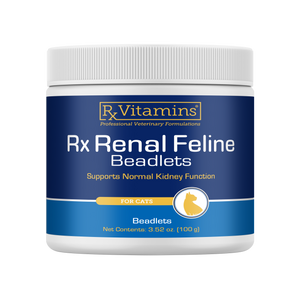
For cats needing broader nutritional kidney support, Stratford Animal Care also offers Rx Renal Feline as a separate feline renal-support product.
These products serve different purposes. Phos-Bind focuses on dietary phosphorus binding, while Rx Renal Feline is positioned for nutritional support of normal kidney function. They should not be treated as interchangeable products.
Why Does Ongoing Monitoring Matter?
A phosphate binder is not a set and forget solution. The veterinary team may reassess phosphorus through follow up bloodwork. The treatment plan can then be adjusted according to the cat's response and overall condition.
That makes monitoring an important part of responsible phosphorus management in cats.
What Should Cat Owners Know Before Using Phos-Bind?
The most important point is simple: use Phos-Bind according to veterinary direction and product instructions.
The Canadian product information recommends veterinary examination before use and regular serum phosphate monitoring. It also includes cautions involving kidney disease, other medications, and long-term use unless directed by a veterinarian.
Follow Your Veterinarian's Directions
Do not copy another cat's dose. Cats can have very different medical histories, diets, weights, and laboratory results. Your veterinarian can determine whether a phosphate binder belongs in your cat's care plan.
Give It Consistently as Directed
Veterinary guidance commonly recommends mixing phosphate binders with food or giving them when the cat eats. Consistency helps keep the nutritional plan organized.
If your cat refuses the food containing the product, speak with your veterinary team before changing the administration method.
Watch for Changes and Report Concerns
Veterinary sources identify constipation among possible adverse effects associated with aluminum hydroxide phosphate binders. If your cat develops a concerning change, contact your veterinarian.
Do not simply stop or increase the product without professional guidance.
Phos-Bind 35 g vs. 200 g: Which Format Should You Choose?
Stratford Animal Care offers Phos-Bind 35 g and 200 g formats. Both contain aluminum hydroxide and are designed for dietary phosphorus management in dogs and cats.
Phos-Bind 35 g
The 35 g format provides a practical option for owners who need a smaller container.
Phos-Bind 200 g
The 200 g format provides a larger quantity for ongoing use when recommended by a veterinarian.
The right format depends on your cat's veterinary plan and expected product use.
Primary CTA: Choose the product format that matches your veterinarian's recommendation.
Why Choose Stratford Animal Care?
Choosing a pet health product is about more than finding a familiar name online. Stratford Animal Care focuses on veterinary products, companion animal health, and practical solutions for veterinary teams and pet owners.
The company states that its products are manufactured in the United States in FDA-compliant, NASC-approved facilities. Its quality approach also emphasizes regulatory compliance and ongoing oversight.
That quality focus matters when a product forms part of an ongoing pet-care routine. Stratford Animal Care also provides access to related feline renal-support products, giving owners a clearer path when exploring veterinary-directed nutritional options.
Learn more about Stratford Animal Care and its approach to veterinary product quality.
Frequently Asked Questions About Phosphate Binders for Cats
What Is a Phosphate Binder for Cats?
A phosphate binder helps bind dietary phosphorus inside the digestive tract. Veterinarians may use one when dietary phosphorus restriction alone does not adequately control serum phosphorus in a cat with kidney disease.
When Do Cats Need Phosphate Binders?
Cats may need a phosphate binder when phosphorus remains difficult to control despite appropriate dietary management. A veterinarian should make that decision using bloodwork and the cat's overall health.
Is Phos-Bind Used for Cats With Kidney Disease?
Phos-Bind is formulated for dogs and cats and contains aluminum hydroxide for dietary phosphorus binding. Its use in a cat with kidney disease should follow veterinary direction and regular phosphorus monitoring.
How Does Aluminum Hydroxide Work in Cats?
Aluminum hydroxide binds dietary phosphorus within the digestive tract. This reduces the amount of dietary phosphorus available for absorption. It is one of the phosphate-binding ingredients used in feline veterinary medicine.
Should Phosphate Binders Be Given With Food?
Yes, veterinary guidance generally recommends giving phosphate binders mixed with food or at the same time the cat eats. Follow the specific instructions provided by your veterinarian and the product label.
Can Phos-Bind Replace a Renal Diet?
No. Phos-Bind and a renal diet serve different roles. Dietary phosphorus restriction remains an important part of feline CKD management. A veterinarian may add a binder when diet alone does not provide adequate phosphorus control.
How Is Phosphorus Monitored in Cats?
Veterinarians monitor serum phosphorus through bloodwork. Results can help determine whether the current nutritional approach is appropriate or requires adjustment. Regular monitoring is especially important when using a phosphate binder.
Should I Give My Cat Phos-Bind Without Veterinary Guidance?
You should discuss its use with your veterinarian first. The product information recommends veterinary examination and regular serum phosphate monitoring. Veterinary guidance is especially important when a cat has kidney disease or takes other medications.
Have Questions About Phos-Bind for Your Cat?
Phosphorus management can feel complicated at first. The right information makes the next step clearer. If your veterinarian has recommended a phosphate binder, Stratford Animal Care provides Phos-Bind for cats in 35 g and 200 g formats.
Shop Phos-Bind 35 g or Shop Phos-Bind 200 g based on your veterinarian's recommendation.
For broader feline renal nutrition, you can also explore Rx Renal Feline.
Your veterinarian remains the best source for deciding whether a phosphate binder is appropriate for your cat.
Trusted Supplements for Healthier, Happier Pets
Explore our most popular veterinarian-formulated supplements, thoughtfully developed to support your pet's everyday health and wellness.