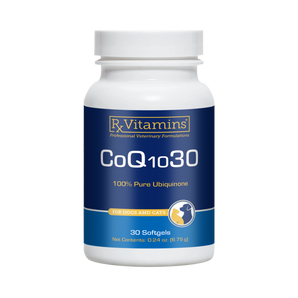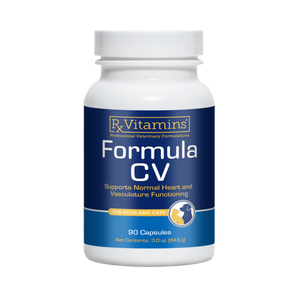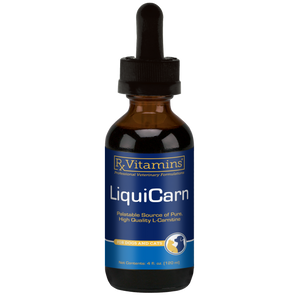
Two bottles sit on the shelf. Both say “joint support.” Both show a happy dog on the front.
One lists every ingredient with an exact amount. The other hides everything behind the word “blend.”
Which one do you trust with your pet?
Knowing how to read a pet supplement label settles that in about two minutes. You do not need a science degree. You just need to know where to look.
This guide walks you through every part of the label. You will learn what active ingredients do, how dosing directions work, and which red flags to avoid.
Want a vet’s input before you buy? Call 800-792-2222, or browse our dog and cat vitamins and supplements.
Why Pet Supplement Labels Are So Hard to Trust
Pet supplement labels are hard to trust because front-of-bottle claims are marketing, not proof. Words like “premium,” “natural,” and “vet approved” have no standard meaning. Supplements also follow different rules than pet food. The facts that matter sit on the back panel, so look there first.
The Front of the Bottle Is an Ad
The front panel exists to sell. Words like “advanced,” “premium,” and “all natural” sound reassuring. Most have no set definition.
“Vet approved” can mean one veterinarian shared an opinion. It does not always mean the product was tested or studied.
So skip the slogans. The real story lives on the back, where a dog supplement label or cat supplement label shows its work.
Supplements Follow Different Rules Than Pet Food
Pet food falls under the AAFCO framework. Pet supplements do not. That leaves more room for vague or confusing labels.
The FDA’s Center for Veterinary Medicine generally allows supplements that meet a nutritional need. They need accurate labels, sensible dosing, and no disease claims.
The National Animal Supplement Council (NASC) formed to help standardize this industry. We will cover its seal below.
The risk is real. Some veterinarians warn that bottle contents may not match the label. A clear, detailed label is your first line of defense.
How to Read a Pet Supplement Label Step by Step
To read a pet supplement label, work through six parts in order: product name, supplement facts, other ingredients, directions for use, manufacturer details, and lot number with expiration date. Each part answers one question. Together, they show what is inside, how much to give, and who stands behind it.
|
Label part |
Question it answers |
What good looks like |
|
Product name and species |
Who is this for? |
A clear dog or cat use and a stated purpose |
|
Supplement facts |
What is inside, and how much? |
Each active listed with an exact amount per serving |
|
Other ingredients |
What else is in it? |
Plain names for binders, flavors, and preservatives |
|
Directions for use |
How much do I give? |
Weight-based serving sizes and a daily frequency |
|
Manufacturer details |
Who stands behind it? |
Company name, address, phone, and a real contact |
|
Lot number and expiration |
Is it fresh and traceable? |
A batch ID and a clear expiration date |
Start With the Product Name and Species
Begin with the name and the intended species. A dog formula and a cat formula are not the same product.
Next, confirm the purpose matches your goal. A joint chew should say it supports joint health. It should not promise to fix a disease.
That last point matters. Honest supplement labels describe how an ingredient supports the body’s normal structure or function. They do not promise cures.
Check the Supplement Facts and Amount Per Serving
Now find the supplement facts panel. This is the heart of the label.
Look for each active ingredient and its amount per serving. Ingredients usually appear in descending order by amount. Some labels also show a guaranteed analysis with minimum nutrient levels.
Then define one serving. A “serving” might be two chews, one scoop, or a set number of drops. A product that looks strong on paper can look weak once you count servings.
Find the Manufacturer, Lot Number, and Expiration Date
Good labels name the company and share contact details. You should be able to call and ask questions.
A lot number matters too. It lets the company trace a batch back to when and where it was made.
Finally, check the expiration date. Oils and probiotics lose strength over time. Fresh product works better than a forgotten bottle.
Active Ingredients vs Other Ingredients on a Pet Supplement Label
Active ingredients are the nutrients that do the job the supplement is designed for, such as glucosamine, omega-3 fatty acids, or probiotics. Other ingredients make the product chewable, tasty, or shelf-stable. Read both lists, but judge the supplement by its actives and their amounts.
What Active Ingredients Do
Actives are the reason the product exists. Common examples include:
-
Glucosamine and chondroitin for mobility
-
EPA and DHA from omega-3 oils for skin, coat, and joints
-
Probiotic strains for gut balance
-
Vitamins and minerals for everyday nutrition
Match the active to your pet’s need. A pet joint health supplement should lead with joint-focused nutrients. A gut formula should name its probiotic strains.
Vague wording is a clue. “Joint blend” tells you less than “glucosamine, 500 mg.”
What Other Ingredients Do
Other ingredients support the formula. They are sometimes called inactive ingredients.
You will often see these:
-
Binders that hold a chew together
-
Natural flavors that make a chew tasty
-
Preservatives that protect oils from spoiling
-
Colorants that give the product its look
None of these is automatically bad. Your pet’s size, diet, and sensitivities decide what fits. If a name looks unfamiliar, jot it down and ask your veterinarian.
Why Amount Matters More Than the Name
A famous ingredient means little at a tiny dose. A label can list ten impressive names and still underdeliver.
Always compare the amount per serving against the serving size. That is the only way to see what your pet actually receives.
Curious how amounts and formulas connect to real nutrition? Read what vitamins and minerals your dog really needs.
How to Read Pet Supplement Dosing Directions
To read pet supplement dosing directions, find the directions for use and match your pet’s current weight to the listed serving size. Then note how many servings to give per day and for how long. If your pet falls outside the range, ask your veterinarian before changing anything.
Weight-Based Serving Sizes
Most pet supplement labels tie servings to body weight. A small cat and a large dog need different amounts.
Weigh your pet before you start. Then find the matching row on the label.
Do not round up “just in case.” More is not always better, and a wrong dose can cause trouble.
Per Serving vs Per Day
Here is a common mix-up. The supplement facts show the amount per serving. Your pet may need more than one serving per day.
Multiply carefully. Read whether the label means per chew, per scoop, or per day.
Write the plan down. A sticky note on the bottle prevents double dosing when two family members share feeding duty.
Dog and Cat Labels Are Not Interchangeable
Cats process nutrients differently than dogs. A dog formula may include ingredients that do not suit a cat.
The same goes for human products. Dose ranges differ, and some ingredients can harm pets. Never swap a human supplement in without asking your vet.
Stick with species-specific products. Their directions are built for your pet’s size and biology.
When to Ask Your Veterinarian First
Some situations call for a vet’s guidance before you start:
-
Your pet takes prescription medication
-
Your pet is a puppy, kitten, or senior
-
Your pet has an ongoing health concern
-
You plan to give more than one supplement
Your vet knows your pet’s history. A good label helps the conversation. It never replaces it.
Want Labels You Can Check Against This Guide?
Now you know how to read a pet supplement label. Put it to work on the bottle in your cabinet.
RxVitamins has made veterinary formulations since 1998. We encourage you to hold every label, ours included, up to the steps above.
Start with our everyday health supplements. Or call 800-792-2222 and talk with our team about what fits your pet and your vet’s plan.
Pet Supplement Red Flags to Spot Before You Buy
The biggest pet supplement red flags are proprietary blends with no individual amounts, vague claims like “vet approved,” missing lot numbers, no contact information, and promises to treat or cure disease. Any one of these is a reason to pause. Several together mean you should walk away.
Proprietary Blends With No Individual Amounts
A proprietary blend lists a total weight for many ingredients. It does not show how much of each one you get.
That hides the dose. A single active could make up a tiny share of the blend.
Prefer labels that name every active and its exact amount. If you see a blend, ask the maker for the breakdown.
Vague Claims Like “Vet Approved” and “All Natural”
Slogans are not evidence. “Miracle formula” and “instant results” are worse.
Real improvement takes consistent use over time. Overnight promises should raise your guard.
Look for proof you can check instead. That includes exact amounts, named strains, and testing information.
Missing Lot Numbers or Contact Information
No lot number means no easy traceability. No contact details mean no accountability.
A trustworthy company welcomes your questions. It lists a phone number and answers it.
Pay attention to testing, too. Third-party lab testing confirms that a product contains what its label claims.
Disease-Treatment Promises on a Supplement
A supplement supports normal body function. It does not diagnose, treat, cure, or prevent disease.
If a label names a disease and promises results, be careful. That language breaks accepted labeling guidelines for animal supplements.
If your pet has a health problem, call your veterinarian first.
|
Red flag |
Green flag |
|
Proprietary blend, no amounts |
Every active listed with an exact amount |
|
“Vet approved” with no proof |
Veterinary-exclusive channel and a named manufacturer |
|
No lot number |
Lot number and expiration date printed |
|
No company contact |
Phone, address, and a team that answers |
|
Disease or cure promises |
Supports normal structure and function |
|
One formula “for all pets” |
Species-specific directions |
What the NASC Quality Seal Means on a Pet Supplement Label
The NASC Quality Seal shows that a supplement company passed an independent third-party audit and keeps meeting National Animal Supplement Council standards. The company must repeat the audit every two years. The seal cannot be purchased, and it helps you spot companies committed to quality, labeling, and accountability.
What a Company Must Pass to Earn the Seal
NASC members must keep several systems in place. These include:
-
A quality control manual with written procedures
-
An adverse event reporting system
-
Labeling that follows NASC guidelines
-
Required warning statements for certain ingredients
-
Random independent product testing against label claims
-
Annual training through NASC
That is a lot of paperwork. It also means the company has opened its process to outside review.
How to Verify a Company on the NASC Member List
Do not trust a logo alone. NASC publishes a member list at nasc.cc/members.
Search the company name there. Then check whether the product label itself shows the seal.
Seeing the seal on a label and finding the brand on the list is the strongest combination.
What the Seal Does Not Guarantee
The seal speaks to a company’s quality system. It does not promise a result for your pet.
It also does not replace your vet. Products without the seal are not automatically unsafe. The seal is one more trust signal among several.
Use it alongside exact amounts, a lot number, and clear contact details.
How Veterinary-Exclusive Supplements Approach Labels
Veterinary-exclusive supplements are formulated for use under veterinary guidance and sold through the veterinary channel. That setting encourages clear labeling, ingredient transparency, and an open line between the maker, the vet, and the pet owner. You still get the best results when your vet guides the plan.
Built for Veterinary Use Since 1998
RxVitamins has focused on innovative veterinary formulations for over two decades. Our products are designed with vets and pets in mind.
Want the full story? Read more about RxVitamins.
Some products rely on specialized ingredient technology. For one example, see Rx CurcuWIN.
Your Vet Still Comes First
No label replaces your veterinarian’s judgment. Your vet knows your pet’s weight, history, and medications.
Bring the bottle to your next visit. Walk through the label together using the steps above.
Veterinary practices can also request a wholesale account to carry our formulas for clients.
Your Pet Supplement Label Checklist
Screenshot this list and keep it on your phone. Use it every time you shop.
-
The product names the right species
-
Every active ingredient shows an exact amount per serving
-
No proprietary blend hides the doses
-
Other ingredients have plain, understandable names
-
Directions match your pet’s current weight
-
The label shows a lot number and expiration date
-
The manufacturer lists real contact details
-
Claims support normal function and make no disease promises
-
You can verify quality signals, like NASC membership
-
Your veterinarian has reviewed the plan
Want more vet-informed guides like this one? Join our newsletter from the footer of any page, or explore the full RxVitamins blog.
Frequently Asked Questions About Pet Supplement Labels
How do I know if a pet supplement is safe?
Check the label for a named manufacturer, a lot number, exact amounts per serving, and species-specific directions. Look for third-party testing and the NASC Quality Seal. Then ask your veterinarian, especially if your pet takes medication or has a health condition. A clear label supports safety, but your vet makes the final call.
What does the NASC seal mean on a pet supplement?
The NASC Quality Seal shows a company passed an independent third-party audit. It must repeat that audit every two years. Members also maintain quality control procedures, adverse event reporting, labeling compliance, and random product testing. The seal cannot be bought, and you can verify members on the NASC website.
Is “vet approved” on a label regulated?
No standard definition applies to “vet approved” on most supplement labels. It may mean one veterinarian offered an opinion. Look for proof instead. Check for exact ingredient amounts, third-party testing, a named manufacturer, and a veterinary-exclusive sales channel. Then confirm the product with your own vet.
What is a proprietary blend in a pet supplement?
A proprietary blend lists several ingredients under one combined weight. It does not show each ingredient’s individual amount. That makes it impossible to judge dosing. Prefer labels that name every active and its exact amount per serving. If a blend appears, ask the manufacturer for the breakdown.
Can I give my pet a human supplement?
Never assume a human supplement is safe for pets. Dosage ranges differ, and some ingredients can harm dogs or cats. Species-specific products carry directions made for your pet’s size. Always ask your veterinarian before giving any human product to a dog or cat.
How do I find the right serving size on a pet supplement label?
Find the directions for use. Match your pet’s current weight to the serving size listed. Note how many servings to give per day. If your pet falls outside the listed weight range, or takes medication, ask your veterinarian before you adjust anything.
Ready to Choose a Vet-Backed Supplement for Your Pet?
You now know how to read a pet supplement label like a pro. You can spot actives, decode dosing, and catch red flags in seconds.
The next step is simple. Pick a formula that fits your pet, and review it with your vet.
-
Browse our best-selling supplements for dogs and cats
-
Explore our full product catalogs
-
Call us at 800-792-2222
-
Email info@rxvitamins.com or contact the RxVitamins team
This article is educational and does not replace veterinary advice. Always consult your veterinarian about your pet’s health and nutrition.