How the Products in This Collection Differ
The products in this collection take a few different approaches to joint support, and knowing what sets them apart makes it easier to figure out which one, or which combination, fits a particular dog or cat.
Glucosamine-Based Formulas: MegaFlex and NutriFlex
MegaFlex is built around glucosamine sulfate as its primary ingredient, formulated to support connective tissue for healthy, flexible joints. NutriFlex also contains glucosamine sulfate but adds a broader mix of nutritional co-factors, including bromelain, curcumin, boswellin, ginger, and extracts of bovine tracheal cartilage and sea cucumber, ingredients used throughout the body but particularly relevant to joint cartilage, tendons, and ligaments. In practice, MegaFlex offers a more concentrated, single-focus formula, while NutriFlex takes a wider-spectrum approach.
Omega-3 Support: Ultra EFA
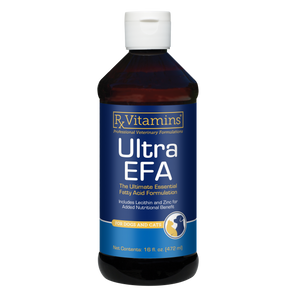
Ultra EFA takes a different route entirely. It's a marine-lipid concentrate rich in the omega-3 fatty acids EPA and DHA, formulated to support cellular health, cardiovascular function, and a healthy inflammatory response. It doesn't contain glucosamine, and it's not a direct substitute for MegaFlex or NutriFlex. Instead, it's often used alongside one of them as part of a broader nutritional approach to joint and connective tissue health.
Why Omega-3s Are Often Paired With a Joint Supplement
It's a fair question why an omega-3 formula shows up in a joint health collection at all. Essential fatty acids like EPA and DHA support a healthy inflammatory response throughout the body, which is relevant to joints since normal, day-to-day wear and activity naturally involve some degree of inflammatory response. Because of this, many pet owners and veterinarians use an omega-3 formula like Ultra EFA together with a glucosamine-based product like MegaFlex or NutriFlex, treating the two as complementary pieces of a broader nutritional plan rather than interchangeable options.
Choosing a Format That Fits Your Pet
Beyond the ingredients, how a supplement is given can matter just as much as what's in it, especially for a supplement that's meant to be given consistently over time.
Capsules and Powder
MegaFlex is available as capsules or as a powder, both built around the same glucosamine sulfate formula. Capsules can be given whole or opened and mixed into food, while the powder format is designed to be measured and mixed directly into a meal, which some owners find simpler for larger dogs or multi-pet households.
Chewable Tabs
NutriFlex comes as a chewable tab flavored with Argentinian beef liver, which is designed to make it more palatable on its own, without necessarily needing to be mixed into food. This can be a useful option for pets that reliably take a treat-like chew but are less consistent with capsules or powders stirred into a meal.
Liquid
Ultra EFA is a liquid, available in two sizes, and is typically pumped or measured directly onto food. A liquid format makes it easy to adjust the amount given and to mix it thoroughly into a meal, which can be an advantage for pets that pick around powders or capsules.
What to Consider When Comparing Joint Supplements
With so many joint products on the market, and plenty of overlapping ingredient lists, it helps to focus on a few practical questions instead of chasing the longest ingredient panel. Is the product built around a single concentrated ingredient like glucosamine sulfate, or a broader combination formula? Does the format fit realistically into a pet's routine, whether that's a capsule, a chewable, a powder, or a liquid? And is it appropriate for the species and life stage of the pet in question? A veterinarian who knows a pet's history, activity level, and any other supplements already being given is generally the best resource for narrowing down which option, or combination of options, makes sense.
Understanding Glucosamine's Role in Joint Support
Glucosamine sulfate is one of the more researched ingredients in pet joint nutrition, and it's the common thread between MegaFlex and NutriFlex. It's naturally found in the body's connective tissue and is considered a building block involved in the production of synovial fluid, the fluid that helps cushion and lubricate joints. Because glucosamine sulfate has a relatively low molecular weight, it's generally well absorbed when given as part of a daily supplement. This is why it shows up as the core ingredient across both MegaFlex formulas and remains part of NutriFlex's broader formula as well.
What the Additional Ingredients in NutriFlex Do
Beyond glucosamine, NutriFlex includes several nutritional co-factors that are commonly paired with it in combination joint formulas. Bromelain and curcumin are compounds with a long history of use in nutritional supplements generally, boswellin is an extract that's been studied in the context of joint comfort, and ginger is another commonly included botanical. NutriFlex also includes extracts of bovine tracheal cartilage and sea cucumber, both natural sources of nutrients found in connective tissue. Together, these ingredients reflect a broader-spectrum approach compared to MegaFlex's more concentrated, single-ingredient focus.
Nutritional Support vs. Prescription Pain Relief
It's worth being clear about what a nutritional joint supplement is meant to do. Products like MegaFlex, NutriFlex, and Ultra EFA are formulated to support normal joint and connective tissue function and a healthy inflammatory response as part of an ongoing wellness routine. They aren't pain medications, and they aren't designed to replace anything a veterinarian has prescribed. For a pet that seems uncomfortable, stiff, or reluctant to move in ways that are new or worsening, a veterinary visit is the appropriate next step, and a veterinarian can advise on whether a nutritional supplement makes sense alongside any other care that's recommended.
Joint Support Across Life Stages and Activity Levels
Joint and connective tissue needs aren't the same for every dog or cat, and they tend to shift over the course of a pet's life. Large and giant breed dogs, along with working and highly active dogs, place more ongoing demand on their joints simply through size and activity level, which is part of why nutritional joint support is often introduced earlier for these dogs than for smaller, less active breeds. Senior pets are another common starting point, since joint and connective tissue support is frequently incorporated into an aging pet's overall wellness routine. Cats can benefit from joint support as well, though because cats are generally less overt about mobility changes than dogs, owners and veterinarians often rely more on subtle day-to-day observations, like a cat jumping less or choosing lower resting spots, to gauge whether support might help.
Some owners of large and giant breed puppies also start thinking about joint nutrition earlier than they would with a smaller dog, since rapid growth during the first year or two places extra demand on developing joints and connective tissue. A veterinarian can advise on whether and when introducing nutritional support makes sense for a growing puppy, since timing and appropriate dosing matter more during that stage than they do for an adult dog.
Common Questions About Rx Vitamins Joint Health Supplements
What's the difference between MegaFlex and NutriFlex?
MegaFlex is a concentrated, glucosamine sulfate-focused formula, while NutriFlex combines glucosamine sulfate with a broader set of nutritional co-factors, including bromelain, curcumin, boswellin, ginger, and cartilage and sea cucumber extracts. Both are built around glucosamine, but NutriFlex takes a wider-spectrum approach.
Do I need Ultra EFA in addition to a glucosamine product?
Not necessarily, but many pet owners and veterinarians use Ultra EFA alongside MegaFlex or NutriFlex, since the omega-3 fatty acids in Ultra EFA support a healthy inflammatory response through a different mechanism than glucosamine. Whether to combine them depends on the individual pet, and it's worth discussing with a veterinarian.
Which format is easiest to give a picky pet?
It varies by pet. Some dogs and cats take a flavored chewable like NutriFlex readily, while others do better with a powder or liquid mixed thoroughly into food, where the texture and taste are less noticeable. If a pet consistently refuses one format, trying a different one is often more effective than trying to force the original.
Is a joint supplement safe to give long-term?
These are nutritional supplements intended to be given consistently over time as part of an ongoing routine, rather than a short-term treatment. As with any supplement given long-term, it's worth mentioning it at regular veterinary checkups, especially if a pet is also taking other medications or supplements.
Can cats take the same joint supplements as dogs?
MegaFlex, NutriFlex, and Ultra EFA are all formulated for use in both dogs and cats. That said, dosing is based on a pet's size, so it's important to follow label directions for the correct species and weight, and to check with a veterinarian before starting a new supplement, particularly for cats.
Is glucosamine the same as chondroitin?
No, though the two are often mentioned together. Glucosamine sulfate is the primary ingredient in both MegaFlex and NutriFlex. A veterinarian can explain how different joint-support ingredients work and which combination might be worth considering for a specific pet.
Should I give a joint supplement every day, or only when my pet seems stiff?
These products are formulated as daily nutritional supplements intended to be given consistently as part of an ongoing routine, rather than used occasionally in response to a specific day. A veterinarian can advise on a consistent daily routine that fits a pet's needs.

 Ultra EFA 16 fl oz. $67.29 /
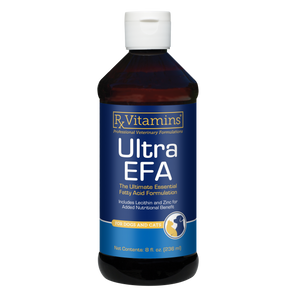 Ultra EFA 8 fl oz. $38.89 /
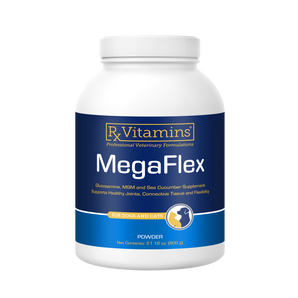 MegaFlex-Pulver $72.49 /
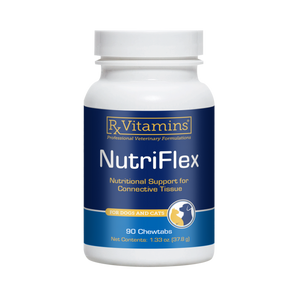 NutriFlex $33.59 /
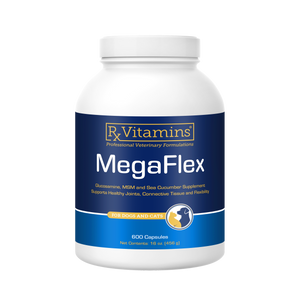 MegaFlex-Kappen $89.29 /