DGL for Dogs - What It Is and When a Vet Might Recommend It
If your dog has a sensitive digestive system, you may have heard about DGL for dogs. DGL stands for Deglycyrrhizinated licorice. It is a specialized form of licorice extract used in nutritional support products.
But DGL is not the same as giving your dog ordinary licorice root. The difference matters. Pet owners also need to know when digestive support may be appropriate and when veterinary guidance comes first.
This guide explains what DGL is, how it differs from regular licorice, and what to consider before using it.
What Is DGL for Dogs?
DGL, or Deglycyrrhizinated licorice, is a processed form of licorice extract with most glycyrrhizin removed. It is used in some nutritional products intended to support normal digestive function. For dogs, the right product, formulation, and use depend on the individual animal and should be discussed with a veterinarian.
The term DGL for dogs describes an ingredient concept, not a universal treatment for every digestive concern.
What Does DGL Stand For?
DGL stands for Deglycyrrhizinated licorice. It comes from licorice, a botanical ingredient derived from Glycyrrhiza species. The extraction process removes much of the glycyrrhizin found in ordinary licorice.
That distinction is important when comparing DGL with whole licorice root.
Why Is DGL Different From Regular Licorice Root?
Regular licorice root naturally contains glycyrrhizin. DGL is processed to remove most of that component.
This means pet owners should not treat DGL and whole licorice root as interchangeable ingredients. When evaluating a DGL dog supplement, always check the actual ingredient panel and intended use.
Do not assume that a product containing licorice is automatically a DGL product.
How May DGL Support Digestive Health in Dogs?
DGL is commonly discussed in connection with digestive and gastrointestinal support. Its role is nutritional rather than a substitute for veterinary diagnosis or treatment.
The goal of nutritional support is to complement appropriate care while helping maintain normal digestive function. For dogs, digestive health can involve many factors, including diet, age, lifestyle, medications, existing conditions, and individual nutritional needs.
DGL and the Canine Digestive Tract
DGL is associated with support for the stomach and gastrointestinal tract. However, a dog's digestive symptoms can have many different causes.
A supplement should therefore be selected based on the dog's overall health rather than one symptom alone. This is especially important when symptoms are persistent, severe, or unusual.
What Does Nutritional Support Mean?
Nutritional support focuses on maintaining normal body function through appropriate ingredients and dietary strategies.
A DGL supplement for dogs may be considered as part of a broader digestive-support approach when appropriate. It should not be presented as a cure for a disease or as a replacement for veterinary care.
FDA guidance makes clear that claims suggesting an animal product is intended to cure, treat, prevent, or mitigate disease can raise regulatory concerns.
Why Does Every Dog Have Different Needs?
There is no single supplement that fits every dog. Breed, age, size, diet, medications, medical history, and current symptoms can all influence nutritional decisions.
That is why a veterinarian should help determine whether DGL or another form of canine digestive support makes sense for your dog.
When Might a Veterinarian Consider DGL for a Dog?
A veterinarian may consider nutritional support when evaluating a dog's overall digestive health and dietary needs.
The decision should depend on the individual dog, the reason for digestive concerns, current medications, and whether further veterinary evaluation is needed.
If your dog has ongoing digestive changes, do not use a supplement to delay a veterinary examination.
What Situations May Lead to a Digestive-Support Discussion?
A conversation with your veterinarian may be useful when your dog has recurring digestive concerns or needs additional nutritional support.
Your veterinarian may review:
-
Current diet and feeding routine
-
Recent changes in food or treats
-
Medication and supplement use
-
Age and overall health
-
Previous digestive problems
-
Hydration and appetite
-
Duration and pattern of symptoms
These details help determine whether nutritional support is appropriate.
Why Does Veterinary Guidance Matter?
Digestive symptoms can overlap across many different conditions.
A supplement may be reasonable in one situation but inappropriate in another. Veterinary guidance helps identify when your dog needs examination, testing, dietary changes, or other care.
FDA also advises pet owners to refer questions about individual pet health and product use to their veterinarian.
Soft CTA: If you are researching digestive support for your dog, start with your veterinarian's recommendation. Then compare products based on ingredients, intended use, and quality standards.
Is DGL Safe for Dogs?
DGL and whole licorice root should not be treated as the same ingredient. DGL is processed to remove most glycyrrhizin, while ordinary licorice naturally contains it.
Safety also depends on the complete product, the dog receiving it, and how the product is used. Veterinary guidance is especially important for dogs with medical conditions or taking medications.
DGL vs. Whole Licorice Root
This is one of the most important distinctions to understand.
DGL: Deglycyrrhizinated licorice with most glycyrrhizin removed.
Whole licorice root: A botanical ingredient that naturally contains glycyrrhizin.
Because the composition differs, you should not assume that a whole-herb licorice product provides the same nutritional profile as DGL.
Which Dogs Need Extra Veterinary Guidance?
Talk with your veterinarian before introducing a new supplement if your dog:
-
Takes prescription medications
-
Has an ongoing health condition
-
Is pregnant or nursing
-
Is elderly or medically fragile
-
Has recurring or unexplained digestive symptoms
-
Is already taking several supplements
-
Has recently undergone a major diet change
The goal is simple: make sure the supplement fits the dog rather than forcing the dog to fit the supplement.
What About Medications and Other Supplements?
Tell your veterinarian about everything your dog receives. That includes prescription medications, over-the-counter products, treats, vitamins, minerals, botanicals, and other nutritional supplements.
A complete list gives your veterinarian the information needed to assess whether adding another product is appropriate.
What Should You Look for in a DGL Supplement for Dogs?
Choosing a DGL dog supplement should involve more than looking for the word “DGL” on the front of a package.
Look at the complete formulation, intended animal use, manufacturer information, quality practices, directions, and cautions. A clear label makes it easier for pet owners and veterinarians to make informed decisions.
Check the Complete Ingredient Profile
Do not judge a supplement by one ingredient alone.
Review:
-
Active ingredients
-
Amounts per serving
-
Other botanical ingredients
-
Inactive ingredients
-
Directions
-
Warnings and cautions
-
Intended animal species
If the product is not clearly intended for dogs, ask your veterinarian before using it.
Consider Quality and Manufacturing Standards
Quality matters because supplements become part of an animal's daily routine.
Look for manufacturers that provide clear product information and follow established quality practices.
NASC's Quality Seal program is designed to demonstrate a company's commitment to defined quality standards. RX Vitamins, Inc. is listed by NASC as a Primary Supplier that has passed an independent audit and earned permission to display the Quality Seal.
Why Does NASC Matter?
NASC provides a quality framework for companies supplying animal health supplements and nutritional products.
For RX Vitamins, this adds an important layer of trust alongside its veterinary-focused history.
RX Vitamins has developed veterinary nutritional formulations since 1998 and provides supplements across areas including digestive, kidney, liver, joint, immune, and everyday nutritional support.
Soft CTA: Explore digestive supplements for dogs to compare RX Vitamins products designed around canine and feline digestive support.
How Can RX Vitamins Support Your Dog's Nutritional Needs?
RX Vitamins focuses on veterinary-formulated nutritional products for dogs and cats.
The company organizes its products by health concern, making it easier to explore options based on a pet's nutritional needs. Its digestive collection includes products such as Rx Biotic, Rx Zyme, NutriGest, and other gastrointestinal-support formulas.
This approach matters because digestive support is not a one-product-fits-all category.
For example, Rx Zyme provides a digestive enzyme formula designed to support normal digestion and nutrient breakdown.
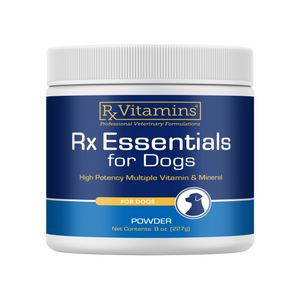
RX Vitamins also offers broader nutritional options for dogs. Rx Essentials for Dogs provides vitamins and minerals for everyday nutritional support and can complement appropriate home-prepared diets when recommended by a veterinarian.
The right choice depends on your dog's specific nutritional needs.
Mid-content CTA: If your veterinarian has recommended digestive or nutritional support, browse veterinary-formulated supplements from RX Vitamins and review each product's intended use.
What Questions Should You Ask Your Veterinarian About DGL?
A short conversation can prevent a lot of guesswork.
Before giving your dog DGL or another digestive supplement, ask:
-
Is DGL appropriate for my dog?
-
What is the goal of using it?
-
Is a DGL product appropriate for my dog's current diet?
-
Could it interact with any medications or supplements?
-
How should I monitor my dog's response?
-
How long should nutritional support be considered?
-
Are there signs that mean my dog needs another veterinary examination?
Bring the product label to your appointment when possible. Your veterinarian can then review the actual ingredients, directions, and intended use.
Frequently Asked Questions About DGL for Dogs
What Is DGL for Dogs?
DGL is short for Deglycyrrhizinated licorice. It is a processed licorice extract with most glycyrrhizin removed.
DGL is used in some nutritional products for digestive support. Whether it is appropriate for a dog depends on the individual animal and the specific product, so veterinary guidance is recommended.
Is DGL the Same as Licorice Root?
No. DGL is derived from licorice but is processed to remove most glycyrrhizin.
Whole licorice root naturally contains glycyrrhizin. These ingredients should not be treated as interchangeable when choosing a nutritional product for a dog.
What Does DGL Do for Dogs?
DGL is generally discussed as an ingredient for digestive and stomach-support nutrition.
It should not be presented as a treatment for disease. A veterinarian can determine whether DGL fits your dog's nutritional needs and overall care plan.
Can Dogs Take Deglycyrrhizinated Licorice?
Some animal nutritional products contain DGL, but that does not mean every DGL product is appropriate for every dog.
Check the product's intended species, formulation, directions, and cautions. Ask your veterinarian before giving a new supplement, especially if your dog takes medications or has an existing condition.
Is DGL Safe for Dogs With Medications?
Do not assume that any supplement is suitable alongside medication.
Give your veterinarian a complete list of your dog's medications and supplements. Your veterinarian can assess whether the specific DGL product fits your dog's situation.
How Do I Choose a Quality DGL Supplement for My Dog?
Start with the label. Check the intended species, ingredient amounts, directions, cautions, and manufacturer information.
Look for established quality practices and credible industry standards. RX Vitamins is an NASC Primary Supplier that has passed an independent audit.
When Should I Talk to a Veterinarian?
Talk to your veterinarian when digestive concerns are persistent, recurring, severe, or unexplained.
You should also seek guidance before adding a supplement when your dog takes medication or has an existing health condition.
Make Your Dog's Nutritional Support More Informed
DGL can be an interesting ingredient to understand, but choosing a supplement should never be a guessing game.
Start with the basics. Know what DGL means. Understand how it differs from the whole licorice root. Review the complete product label. Then consider your dog's individual nutritional needs.
Most importantly, involve your veterinarian when your dog has ongoing digestive concerns or other health considerations.
RX Vitamins has supported veterinary nutrition since 1998, with products covering digestive health and broader nutritional needs.
If you are looking for the next step, explore digestive supplements for dogs or review the full range of dog and cat vitamins and supplements.
The best supplement choice starts with the right question: What does my dog actually need?
Sources and Trust References
Trusted Supplements for Healthier, Happier Pets
Explore our most popular veterinarian-formulated supplements, thoughtfully developed to support your pet's everyday health and wellness.