The Gut-Brain Connection in Dogs and Cats - What Vets Want Owners to Know
Your dog paces before storms. Your cat hides for no clear reason. You blame personality.
But the real cause might start in the gut, not the head.
Science now confirms a powerful gut-brain connection in dogs and cats. It shapes mood, digestion, and daily behavior more than most owners realize.
At RX Vitamins, veterinarians have trusted our formulas since 1998. We built this guide to explain the gut-brain axis in plain language, backed by real veterinary science.
By the end, you will understand what your vet already knows. And you will know exactly what to ask at your next appointment.
What Is the Gut-Brain Axis in Dogs and Cats?
The gut-brain axis is a two-way communication system linking the digestive tract to the brain. It runs through nerves, hormones, and gut bacteria. This connection affects mood, stress response, and digestion in both dogs and cats.
Scientists call the gut a "second brain." It has its own nervous system, separate from the spine.
This system talks constantly with the brain. Signals travel in both directions, every single day.
Semantic terms: gut-brain axis, enteric nervous system, brain-gut communication
The Second Brain: Enteric Nervous System Explained
The enteric nervous system, or ENS, lines your pet's digestive tract. It contains hundreds of millions of neurons.
That is more than most small mammal brains contain. The ENS controls digestion largely on its own.
It also produces neurotransmitters, including serotonin. Most of your pet's serotonin actually starts in the gut.
The Vagus Nerve: A Two-Way Communication Line
The vagus nerve connects the gut directly to the brain. Most of its fibers carry signals upward, not down.
This means gut signals shape brain activity constantly. Stress, inflammation, and bacteria all send messages through this pathway.
When the gut struggles, the brain often feels it first.
How the Gut Microbiome Influences Mood and Behavior
Your pet's gut hosts trillions of bacteria. This community is called the gut microbiome.
A balanced microbiome supports calm behavior and steady digestion. An imbalanced one, called dysbiosis, can disrupt both.
Gut bacteria produce short-chain fatty acids. These compounds influence inflammation and brain signaling throughout the body.
They also affect neurotransmitter production, including serotonin and dopamine. These chemicals directly shape mood and stress response.
Research on specific probiotic strains shows promising results. Certain strains may support calmer behavior during stressful situations.
This is not guesswork. Veterinary researchers actively study these mechanisms in dogs and cats today.
Semantic terms: gut microbiome, dysbiosis, short-chain fatty acids, neurotransmitter production
RX Vitamins formulates its gastrointestinal support line around this exact science. Explore our gastrointestinal support supplements built for veterinary use.
Signs Your Dog or Cat's Gut May Be Affecting Their Brain
Gut-brain imbalance shows up differently in each species. Owners often miss the connection entirely.
Behavioral Signs in Dogs
Watch for these common patterns:
-
Sudden or worsening anxiety
-
Restlessness without an obvious trigger
-
Increased reactivity or irritability
-
Changes in focus or trainability
-
New or worsening noise sensitivity
Behavioral and Digestive Signs in Cats
Cats hide discomfort well. Watch closely for these subtle shifts:
-
Hiding more than usual
-
Litter box avoidance or accidents
-
Reduced appetite alongside mood changes
-
Increased grooming or overgrooming
-
Loose stool paired with new anxiety
If several of these sound familiar, your pet's gut deserves attention. Keep reading to learn what actually helps.
Semantic terms: dysbiosis symptoms in pets, dog gut bacteria and mood, feline stress signs
What Disrupts the Gut-Brain Axis in Pets?
Several everyday factors can throw this system off balance. Most owners never connect the dots.
Stress triggers the HPA axis, a hormone system linked to the gut. Chronic stress can alter gut bacteria over time.
Antibiotics kill harmful bacteria, but also beneficial ones. This often leaves the gut microbiome depleted afterward.
Poor diet feeds the wrong bacteria. Low-quality ingredients can encourage dysbiosis and inflammation.
Aging naturally shifts gut bacteria composition. Senior pets often show more gut-brain related symptoms.
Understanding these triggers helps you act early. Prevention beats correction every time.
Semantic terms: HPA axis, antibiotic-induced dysbiosis, gut microbiome imbalance
What Vets Want Owners to Know
Veterinarians see this pattern constantly. Behavior complaints often trace back to gut health, not training gaps.
Here is the core message: gut health and behavioral health are connected, not separate. Treating one without considering the other rarely solves the full problem.
Vets want owners to stop treating anxiety and digestion as unrelated issues. They want a fuller picture before jumping to conclusions.
This is exactly why RX Vitamins builds veterinarian-exclusive formulas. Every product reflects real clinical thinking, not marketing trends.
We do not chase symptoms in isolation. We support the systems behind them.
If your dog or cat shows these signs, start the conversation with your vet. Ask specifically about gut health and behavior together.
How to Support Your Pet's Gut-Brain Health
Small, consistent changes make a real difference over time. Here is where to start.
-
Feed a consistent, high-quality diet. Sudden food changes can disrupt gut bacteria.
-
Reduce unnecessary stress. Predictable routines support a stable gut environment.
-
Ask your vet about targeted nutritional support. Certain nutrients help maintain gut balance.
-
Monitor both digestion and behavior together. Track patterns, not isolated incidents.
-
Avoid unnecessary antibiotic use. Only use antibiotics when your vet confirms they are needed.
These steps support a balanced gut microbiome. They do not replace veterinary diagnosis or treatment.
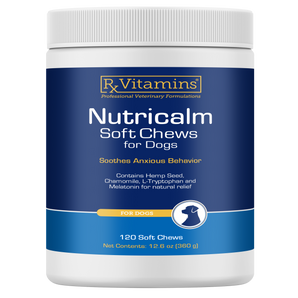
RX Vitamins offers veterinarian-formulated support for both calming and digestive needs. Our calming support formulas are designed around real gut-brain science.
For digestive balance specifically, our probiotic supplements for dogs and cats support healthy gut flora daily.
Semantic terms: gut health support, probiotic supplementation, veterinary-guided nutrition
Frequently Asked Questions
What is the gut-brain axis in dogs?
The gut-brain axis in dogs is a two-way communication system between the digestive tract and the brain. It involves nerves, hormones, and gut bacteria that influence mood, stress, and digestion together.
Can gut health affect my dog's anxiety?
Yes, gut health can influence anxiety-like behavior in dogs. An imbalanced gut microbiome may affect neurotransmitter production and stress hormone regulation, both linked to anxious behavior.
Do probiotics help with pet behavior?
Probiotics may support a balanced gut microbiome, which plays a role in mood regulation. They are not a treatment for behavioral disorders and should be discussed with your veterinarian first.
Is the gut-brain connection different in cats?
Cats show the gut-brain connection through subtler signs than dogs. These often include hiding, litter box changes, and appetite shifts alongside digestive symptoms.
What percentage of the body's serotonin comes from the gut?
A large majority of the body's serotonin originates in the gut, not the brain. This is one reason gut health plays such a significant role in mood regulation.
Talk to Your Vet, Then Take the Next Step
The gut-brain connection is not a trend. It is established science, and your vet already factors it into their thinking.
Now you understand it too. That puts you ahead of most pet owners walking into their next appointment.
Start by discussing these signs with your veterinarian. Then ask about gut-focused nutritional support designed specifically for dogs and cats.
RX Vitamins has formulated veterinarian-exclusive nutraceuticals since 1998. Every formula reflects real science, not shortcuts.
Explore our full range of gut and behavior support supplements trusted by veterinary professionals nationwide.
Your pet's calm behavior may start with a healthier gut. Take that first step today.
Trusted Supplements for Healthier, Happier Pets
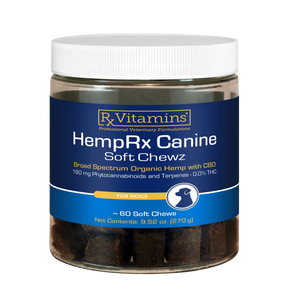
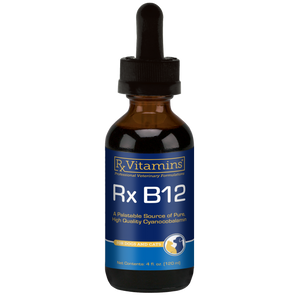
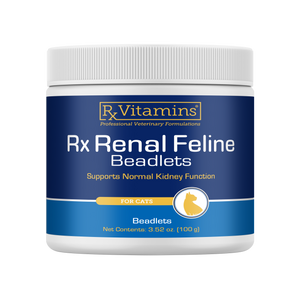
Explore our most popular veterinarian-formulated supplements, thoughtfully developed to support your pet's everyday health and wellness.