Seasonal Allergies in Dogs - How Skin and Coat Symptoms Show Up First
Your dog stops mid-walk to gnaw at a paw. Again.
That itch is not random. It could be the first whisper of seasonal allergies, and it usually starts on the skin.
Most owners wait for sneezing or watery eyes before they worry. Dogs rarely give you that warning. Their skin speaks first, and it speaks loudly if you know what to look for.
This guide breaks down exactly how seasonal allergies in dogs show up on skin and coat before anything else. You will learn the early signs, the reason behind them, and how to support your dog's comfort the right way.
RxVitamins has worked alongside veterinarians since 1998, formulating nutritional support that vets actually trust. That perspective shapes everything below.
Why Allergies Hit Your Dog's Skin Before Anything Else
Dogs experience allergies through their skin because skin is their largest point of contact with allergens. Paws, belly, and ears touch pollen, grass, and dust directly, triggering a faster reaction than the respiratory system does.
Humans breathe allergens in. Dogs walk through them, roll in them, and press their bellies into them.
That physical contact matters. Skin absorbs environmental allergens quickly, especially through thin-skinned areas like the paws and groin.
Once allergens touch the skin, a dog's immune system reacts. It releases histamines, the same chemicals responsible for human allergy symptoms.
In dogs, this histamine response shows up as itching, redness, and irritation. Sneezing and watery eyes, if they happen at all, usually follow later.
This is why canine seasonal allergy symptoms and human hay fever look so different, even though the trigger is often identical pollen.
The First Skin and Coat Signs to Watch For
Early skin and coat allergy signs in dogs include paw licking, belly redness, ear scratching, coat dullness, and small hot spots. These often appear before any respiratory symptoms and are easy to miss in the first few days.
Watch for these early indicators:
-
Constant paw licking or chewing, especially after time outdoors
-
Red or pink-tinged skin on the belly, armpits, or groin
-
Frequent ear scratching or head shaking without visible debris
-
A duller, drier coat that loses its usual shine
-
Small red bumps or hot spots that appear suddenly
-
Rubbing the face against carpet or furniture
Paws, Belly, and Groin: Where Symptoms Start
These areas touch the ground, the grass, and the yard the most.
Pollen and dust cling to short fur here, sitting directly against sensitive skin for hours.
That is why allergy symptoms in dogs so often start low and spread upward over time.
Coat Changes That Signal Trouble Early
A shiny coat depends on healthy skin underneath it.
When skin inflammation begins, coat quality drops fast, often before you notice any itching at all.
Look for increased shedding, brittle fur, or patches that feel rough compared to the rest of the coat.
How Symptoms Progress If Left Unaddressed
Ignored itching rarely stays mild. It tends to build.
Constant scratching and chewing damage the skin barrier over time.
Once that barrier weakens, secondary issues like hot spots and bacterial or yeast skin infections become far more likely.
Some dogs develop darker, thickened skin patches after months of repeated irritation. This happens from chronic inflammation, not from the allergy itself.
Salivary staining is another sign worth watching. Dogs that lick excessively often develop a rust colored tint on the fur around paws and legs.
Catching symptoms early, right at the skin and coat stage, gives you a real chance to support your dog before things escalate.
A simple daily habit like supporting your dog's skin barrier with Ultra EFA can help maintain resilience during allergy season.
Seasonal Timing: When Skin Symptoms Tend to Flare
Dogs typically show seasonal allergy symptoms during spring, summer, and fall, matching pollen and mold activity in the environment. Flare-ups vary by climate and region, but skin symptoms usually appear before any other sign.
Spring pollen from trees and grass tends to trigger the first wave of symptoms each year.
Summer brings grass and weed pollens, along with rising mold spore counts after rain.
Fall ragweed is a major trigger too, often catching owners off guard after a symptom-free summer.
Indoor allergens like dust mites can extend symptoms into cooler months, especially once heating systems kick on.
Tracking when your dog's symptoms start each year helps you prepare early instead of reacting late.
Seasonal Allergies vs Food Allergies vs Fleas: Quick Comparison
Skin symptoms can look similar across different causes, which confuses many owners.
|
Cause |
Common Pattern |
Key Clue |
|
Seasonal allergies |
Symptoms tied to specific times of year |
Paws, belly, and ears affected first |
|
Food allergies |
Symptoms present year-round |
Often includes digestive upset too |
|
Fleas |
Intense itching near tail base |
Visible fleas or flea dirt in fur |
If symptoms fade and return with the seasons, environmental allergies are the likely cause.
Supporting Your Dog's Skin and Coat From the Inside
Nutritional support for dogs with seasonal allergies typically includes Omega-3 and Omega-6 fatty acids, which help maintain a healthy skin barrier and coat quality alongside your veterinarian's guidance.
Topical baths and wipe-downs remove allergens sitting on the surface. That helps, but it only solves half the problem.
Real skin resilience starts from within. Skin cells need consistent nutritional building blocks to stay strong against daily allergen exposure.
Omega-3 and Omega-6 fatty acids play a central role here. They support the skin's natural barrier function and help maintain coat quality during high-allergen seasons.
Vitamin E and biotin work alongside these fatty acids, supporting the coat's natural shine and overall skin condition.
Why Vet-Exclusive Formulation Matters
Not all supplements are created with the same standard. Many are made for retail shelves first and veterinary needs second.
RxVitamins has taken the opposite approach since 1998. Every formula is developed for veterinarians, not around a marketing trend.
That distinction matters when your dog's comfort is on the line. Vet-exclusive formulation means ingredient concentrations and combinations are built for real clinical use.
Explore Ultra EFA for skin and coat support and see how consistent Omega support fits into your dog's daily routine.
For dogs whose allergies seem tied to a bigger immune response, browse immune support formulas designed with the same veterinary standard.
When to Talk to Your Veterinarian
Skin and coat support works best as part of a bigger picture, not a replacement for veterinary care.
See your vet if scratching becomes constant, if you notice open sores, or if symptoms last beyond a few weeks.
A veterinarian can rule out fleas, food sensitivities, or infections that mimic seasonal allergy symptoms.
They can also confirm whether a skin and coat supplement fits well alongside your dog's current care plan.
RxVitamins products are designed to complement veterinary guidance, never to replace a proper diagnosis.
Frequently Asked Questions
What is the first sign of allergies in dogs?
The first sign is usually paw licking or belly redness, not sneezing. Dogs react through skin contact before showing any respiratory symptoms at all.
Do seasonal allergies in dogs go away on their own?
No, seasonal allergies typically return each year during the same trigger season. Symptoms can be managed, but the underlying sensitivity usually stays long term.
Can seasonal allergies affect a dog's coat, not just skin?
Yes, allergy related skin inflammation often reduces coat shine and increases shedding. Supporting skin health with Omega fatty acids can help maintain coat quality too.
How long do seasonal allergy flare-ups last in dogs?
Flare-ups often last as long as the trigger pollen or mold is active, sometimes several weeks. Consistent skin support and vet guidance can shorten discomfort significantly.
Are certain dog breeds more prone to seasonal skin allergies?
Yes, breeds like Golden Retrievers, Labradors, and Bulldogs show higher allergy rates. Genetics play a real role, though any dog can develop seasonal sensitivities over time.
The Bottom Line
Your dog cannot tell you their skin feels irritated. The scratching, the paw licking, the dull coat, that is the message.
Catching seasonal allergy symptoms early gives you the best chance to keep your dog comfortable all season long.
See RxVitamins' full skin and coat collection and talk to your veterinarian about building consistent support into your dog's routine.
Since 1998, RxVitamins has helped veterinarians give pets exactly that, real support, backed by real formulation standards.
Trusted Supplements for Healthier, Happier Pets
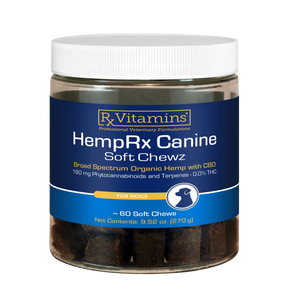
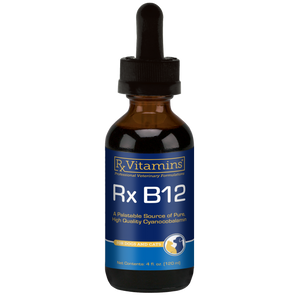
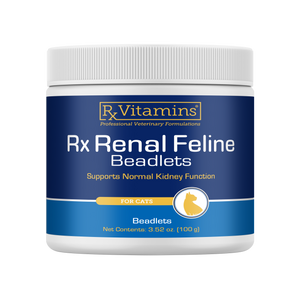
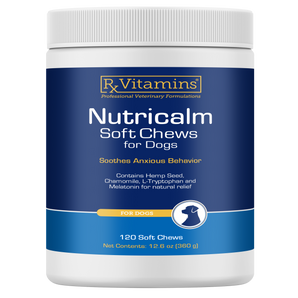
Explore our most popular veterinarian-formulated supplements, thoughtfully developed to support your pet's everyday health and wellness.